Top 10 Benefits of Using PTFE Stir Bars for Your Lab?
In laboratory settings, precision and efficiency are paramount. One essential tool that has gained popularity is the PTFE stir bar. This humble piece of equipment plays a crucial role in achieving homogenous mixtures. Researchers and technicians often overlook the value of a good stir bar. However, the benefits can be significant.
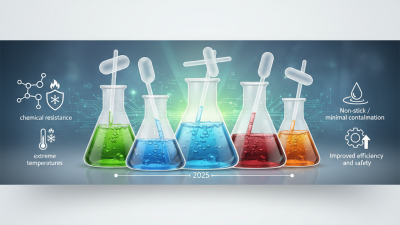
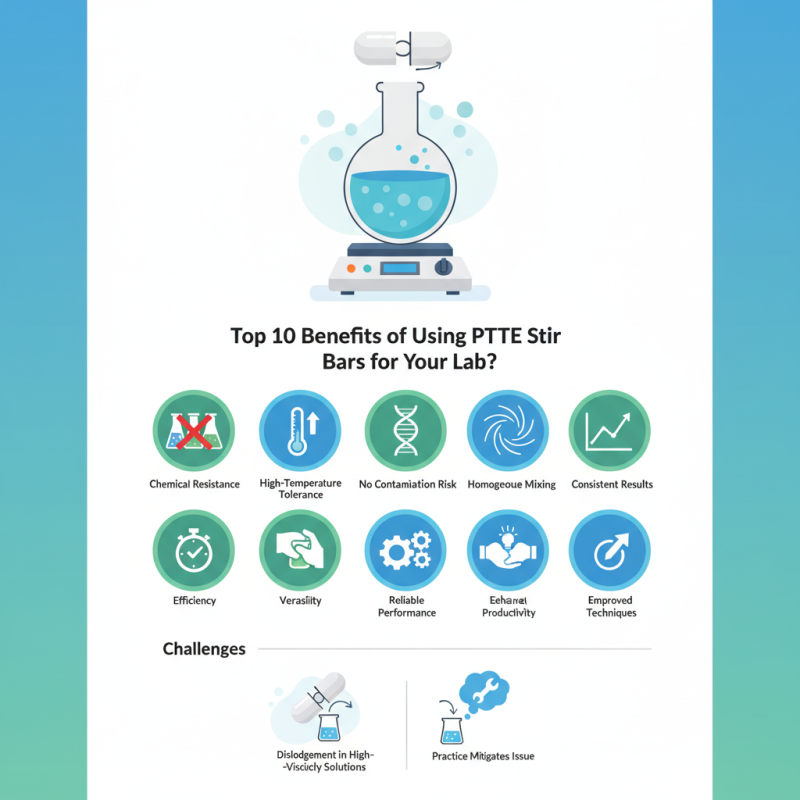
A PTFE stir bar provides exceptional chemical resistance. This resistance makes it suitable for various solvents and aggressive chemicals. It also minimizes contamination risks during experiments. Another advantage is its ability to withstand high temperatures, ensuring reliable performance. Many labs have discovered that using a PTFE stir bar leads to smoother mixing processes and consistent results.
Some users may face challenges, like the stir bar's tendency to become dislodged in high-viscosity solutions. It can be frustrating when a stir bar does not perform as expected. Yet, with some practice, this issue can be mitigated. By understanding the limitations and advantages of a PTFE stir bar, labs can refine their mixing techniques and enhance overall productivity.
Benefits of PTFE Stir Bars in Reducing Chemical Reactivity Risks
PTFE stir bars are becoming essential in laboratory settings. They help reduce chemical reactivity risks significantly. According to a report from the Laboratory Safety Institute, about 80% of laboratory incidents happen due to improper handling of chemicals. Using PTFE stir bars can minimize these risks. They are highly resistant to a wide range of chemicals. This property helps protect both the samples and the users.
Moreover, PTFE stir bars are non-reactive, ensuring that no unwanted reactions occur during stirring. A study published in the Journal of Chemical Safety notes that conducting experiments with reactive substances is safer when using PTFE. By lowering chemical interactions, researchers can obtain cleaner results. This is crucial for industries relying on precision.
However, not every lab uses PTFE stir bars optimally. Some may overlook compatibility with specific solvents. This can lead to unexpected results. Furthermore, the initial cost of PTFE stir bars may deter some laboratories from adopting them. Nonetheless, the long-term benefits often outweigh these concerns. Investing in safer, non-reactive materials fosters better research outcomes.
Enhanced Temperature Resistance of PTFE Stir Bars in Varied Conditions
PTFE stir bars are known for their remarkable temperature resistance in varied conditions. These bars can withstand temperatures up to 260°C (500°F) without losing their effectiveness. In high-temperature environments, traditional stir bars may fail due to warping or degradation. PTFE, however, maintains its stability, ensuring consistent mixing and reliable outcomes in laboratory settings.
Moreover, PTFE stir bars perform well in acidic and alkaline solutions. They do not react with corrosive substances, which is a significant advantage. According to recent industry reports, PTFE is preferred in many labs for its durability and performance. While many materials can break down under extreme conditions, PTFE remains resilient. This resistance allows scientists to focus on their experiments without worrying about equipment failure.
However, not all labs utilize PTFE stir bars effectively. Some researchers may overlook their benefits due to assumptions about cost or availability. Others might underestimate their longevity compared to alternative materials. It’s crucial to assess these factors carefully. Utilizing PTFE stir bars can ultimately enhance experimental accuracy and efficiency in various research applications.
Top 10 Benefits of Using PTFE Stir Bars
Improved Magnetic Properties: Efficiency of PTFE Stir Bars in Vortex Mixers
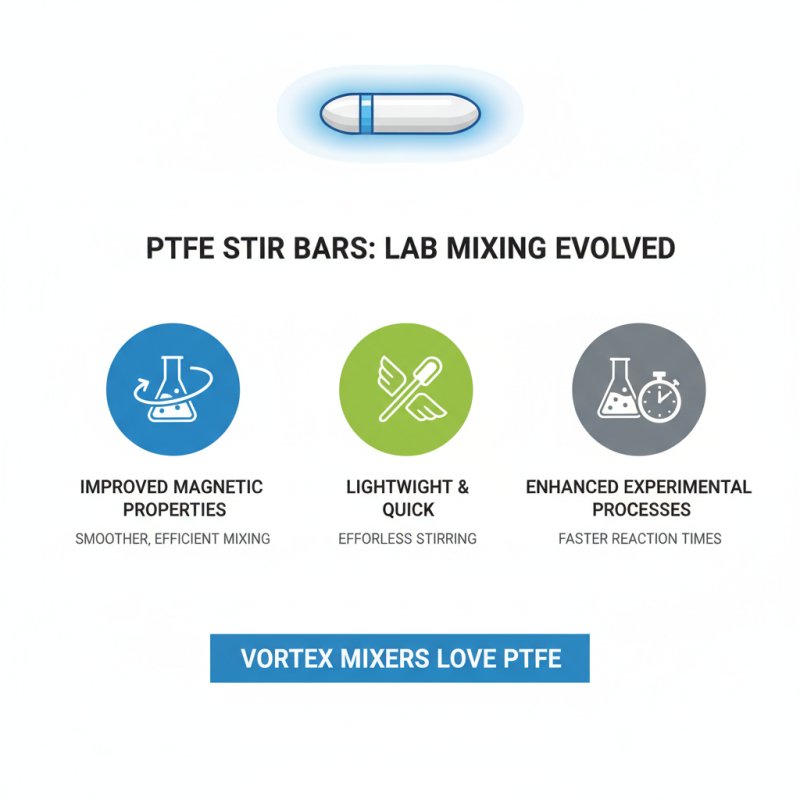
PTFE stir bars are gaining popularity in laboratories for their improved magnetic properties. The use of these stir bars in vortex mixers leads to smoother and more efficient mixing. Their lightweight nature allows for quick and effortless stirring, which can enhance various experimental processes.
The magnetic properties of PTFE stir bars ensure steady rotation even at high speeds. However, sometimes they may not maintain stability in thicker solutions. This can result in inconsistent mixing, which may affect results. Yet, many users appreciate their non-reactive nature, making them suitable for a wide range of applications.
Another interesting aspect is their ease of cleaning. PTFE surfaces resist sticking, which makes post-experiment cleanup more manageable. Still, some users find that residue can occasionally cling on. Knowing this, it’s important to choose appropriate cleaning methods to preserve their longevity. Overall, the benefits of PTFE stir bars are substantial, but users should remain mindful of their limitations.
Cost Effectiveness: Longevity and Reusability of PTFE Stir Bars
PTFE stir bars are gaining popularity due to their cost-effectiveness. They last longer than many traditional stir bars. This durability means less frequent replacements, which saves money over time. Reusability is another key factor. After use, these stir bars can be cleaned easily. A simple rinse often does the trick. They don’t retain chemical residues. This is crucial in a lab setting.
However, it's worth noting that PTFE stir bars can sometimes be pricier upfront. The initial investment might deter some labs. Yet, when you consider longevity, the cost evens out. A lab may buy cheaper alternatives, but they often fail sooner. Frequent replacements add up quickly. Some labs overlook these factors and face unexpected costs.
Using PTFE stir bars can reduce waste in the lab. This promotes sustainability, an increasingly important factor. But they require proper care. If mishandled, even a PTFE stir bar can suffer damage. Labs should train staff to ensure optimal usage. This attention to detail can make a significant difference.
Environmental Impact: Reducing Contamination with PTFE Stir Bars in Labs
Using PTFE stir bars in labs can significantly reduce environmental contamination. Traditional stir bars may leach chemicals into samples, impacting experiments. PTFE, or Polytetrafluoroethylene, is inert and non-reactive. This makes it a great choice for sensitive applications. By preventing chemical leaching, PTFE stir bars keep the environment cleaner.
Switch to PTFE to minimize risk. Many labs still use materials that can cause contamination. Employees should evaluate what they use. Take a moment to assess every stirrable solution. Not all options are safe. Sometimes, it's tempting to stick with the familiar. Change isn’t easy, but it's essential.
When cleaning PTFE stir bars, use gentle soaps and water. Avoid harsh chemicals that can damage the surfaces. Regular maintenance prolongs their life and performance. Labs must focus on using effective materials. This is not just about efficiency; it’s about responsibility to the environment. Make the switch, and notice the difference.