Best PTFE Centrifuge Tube for Global Buyers What to Know
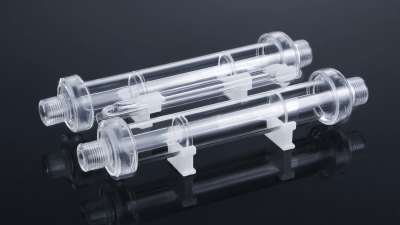
The demand for high-quality PTFE centrifuge tubes is growing among global buyers. These tubes are known for their chemical resistance and durability. Researchers and laboratories rely on them for various applications. Understanding the factors that affect their selection is crucial for making informed decisions.
When choosing a PTFE centrifuge tube, consider the specifications and manufacturer reputation. Reliable suppliers often provide detailed product information. This transparency is essential. You want to ensure that the tube meets your specific needs. However, not all products on the market live up to expectations. Some may have inconsistencies in quality or performance.
Investing in the right PTFE centrifuge tube can enhance your laboratory's efficiency. Too often, buyers prioritize cost over quality. This can lead to frustrations and additional expenses down the line. Therefore, it’s pivotal to balance price and reliability. Engage with experienced manufacturers for insights. Their expertise can often guide buyers toward optimal choices.
Overview of PTFE Centrifuge Tubes and Their Applications
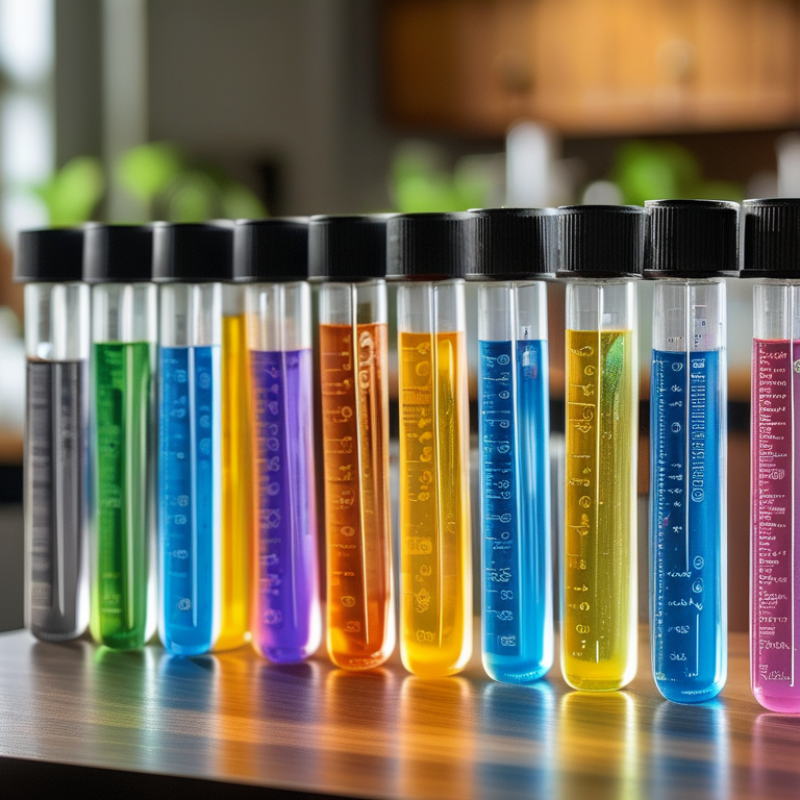
PTFE centrifuge tubes play a crucial role in scientific and industrial applications, known for their resistance to chemicals and high temperatures. These tubes are made from polytetrafluoroethylene, which provides a non-stick surface that minimizes sample loss. According to industry reports, the global demand for high-quality centrifuge tubes has been rising steadily, reaching an estimated market value of USD 250 million by 2023.
These centrifuge tubes are widely used in laboratories for biochemical and pharmaceutical research. They are essential for separating substances in various mixtures. Their unique properties allow them to withstand harsh solvents without compromising the integrity of the samples. In environments where contamination is a concern, PTFE tubes provide an effective solution. Data indicates that over 40% of labs prefer PTFE tubes for this reason.
However, challenges remain in ensuring the consistency of production quality. Variations in manufacturing processes can lead to discrepancies in tube performance. Some users report issues with compatibility in certain applications. Conducting thorough testing before large-scale use is advisable. Awareness of these limitations can aid buyers in making informed choices, ensuring optimal results in their research or industrial processes.
Key Characteristics of High-Quality PTFE Centrifuge Tubes
When selecting PTFE centrifuge tubes, several key characteristics are crucial for ensuring high quality. First, the chemical resistance of PTFE is unparalleled. This material withstands aggressive solvents and acids, making it ideal for various laboratory applications. Buyers should check the temperature tolerance of these tubes. High-quality options can typically endure extreme temperatures without compromising integrity.
Another critical factor is the tube's clarity and transparency. This feature allows for easy observation of sample conditions during centrifugation. It’s vital to ensure that the manufacturing process adheres to strict quality control standards. Inconsistent production methods can lead to defects that compromise functionality.
Additionally, buyers must consider the dimensions and sealing mechanisms of PTFE tubes. A well-designed cap is essential to prevent leaks during centrifugation. Poor sealing can lead to contamination or sample loss. The weight of the tube should also be evaluated. Lighter models could sometimes indicate a compromise in durability.
While high-quality PTFE tubes offer various benefits, it’s important for buyers to remain vigilant. Not all tubes are created equal, and reviews may reflect user experiences that highlight issues. This should serve as a reminder to conduct thorough research before purchasing.
Factors to Consider When Choosing PTFE Centrifuge Tubes
When selecting PTFE centrifuge tubes, several key factors should be evaluated. Material quality is crucial. PTFE, known for its chemical resistance, helps ensure sample integrity. According to industry reports, high-quality PTFE tubes can endure temperatures ranging from -200°C to 260°C. This versatility is essential for laboratories dealing with a range of substances.
The tube volume is another pivotal consideration. Common capacities range from 10 mL to 50 mL, catering to various applications. Smaller volumes may lead to suboptimal results in specific experiments. Moreover, it's important to assess the tube design for compatibility with centrifuges. Improper fit can cause equipment failure, leading to time and resource wastage. A report from the Journal of Laboratory Automation highlights that improper fit is a frequent cause of operational issues.
Cost is essential but must align with quality. Cheaper options may not provide the necessary performance, raising questions about their reliability. Repeated use of low-quality tubes may compromise results, potentially skewing research outcomes. Understanding the trade-offs is vital. Experts advise seeking tubes that balance cost with performance, as this impacts data accuracy significantly. Make informed choices to enhance experimental reliability in your lab.
Top Brands and Suppliers of PTFE Centrifuge Tubes
When searching for PTFE centrifuge tubes, understanding the top brands and suppliers is crucial. A good supplier should offer high-quality materials that ensure safety and consistency. Many leading suppliers prioritize the durability and chemical resistance of their products. This is essential for various laboratory applications, especially in research environments.
Tips: Always check the certifications of PTFE tubes. Proper certification ensures compliance with industry standards. Never compromise on quality; low-cost options may lead to unreliable results.
Customers often overlook the importance of supplier support. A reliable supplier provides technical assistance and guidance on product usage. This support can help you avoid errors during experiments. Consider suppliers with an established reputation for excellent customer service. Their expertise can save you time and resources.
Lastly, you may find that not all PTFE tubes are equal. Some are designed for specific applications, while others are more versatile. Carefully assess your needs before making a selection. Engaging with supplier representatives can provide insights into the best options available for your work.
Best PTFE Centrifuge Tube for Global Buyers
This chart illustrates the capacity and temperature resistance of various PTFE centrifuge tubes available in the market. The comparison showcases how different tubes hold up under varying conditions which can be crucial for buyers looking to make informed decisions.
Cost Analysis and Value for Money in PTFE Centrifuge Tubes
When considering PTFE centrifuge tubes, cost analysis is crucial for buyers. These tubes offer excellent chemical resistance, making them ideal for various laboratory applications. However, the price can vary significantly based on quality, supplier, and quantity ordered. Understanding the balance between cost and reliability is essential for making an informed decision.
Investing in a high-quality PTFE tube may come with a higher upfront cost. Yet, it can save money in the long run. Lower-quality tubes might not withstand aggressive chemicals, leading to potential failures. This can incur additional costs in terms of replacing damaged tubes or compromised experiments.
Buyers should also assess supplier credentials. Evaluating expertise and customer feedback can shed light on the value of products. Not all suppliers are equal, and some may offer better warranties and support services. Conducting thorough research enhances product reliability in the lab. Balancing cost with quality demands careful consideration and will ultimately ensure better outcomes in laboratory work.
Best PTFE Centrifuge Tube for Global Buyers - Cost Analysis and Value for Money
| Model |
Capacity (ml) |
Price ($) |
Material Quality |
Temperature Range (°C) |
Value for Money (1-10) |
| Centrifuge Tube A |
50 |
25.00 |
High |
-196 to 260 |
9 |
| Centrifuge Tube B |
15 |
15.00 |
Medium |
-80 to 200 |
8 |
| Centrifuge Tube C |
5 |
10.00 |
High |
-196 to 200 |
7 |
| Centrifuge Tube D |
10 |
12.00 |
High |
-196 to 250 |
8 |
| Centrifuge Tube E |
25 |
20.00 |
Medium |
-80 to 220 |
6 |