Top 10 Best PTFE Magnetic Stir Bars for Effective Mixing Solutions?
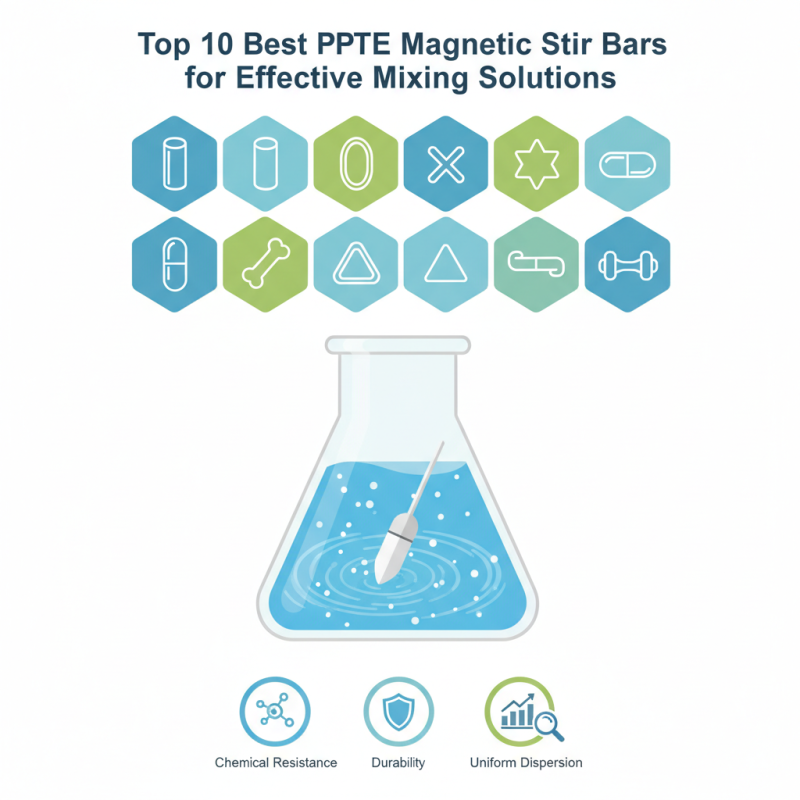
In the world of laboratory mixing, efficiency is paramount. PTFE magnetic stir bars are essential tools for effective mixing solutions in various applications. These stir bars offer unique advantages, such as chemical resistance and high durability. According to a report from Grand View Research, the global magnetic stirrers market is expected to grow significantly, emphasizing the importance of quality mixing equipment.
The use of PTFE magnetic stir bars enhances the mixing process by ensuring uniform dispersion of substances. Their smooth surface minimizes contamination, making them ideal for sensitive experiments. However, not all stir bars are created equal. Some may warp or degrade over time, leading to inefficiencies. It's crucial to select the right product for specific laboratory needs. With numerous options available, finding the best PTFE magnetic stir bars can be challenging yet rewarding.
Industry experts recommend considering factors such as size, shape, and material quality when choosing stir bars. Reviews and user experiences are valuable resources for decision-making. Even with advanced technology, there is room for improvement in the performance of these tools. Continuous innovation will be vital to meet the evolving needs of laboratories.
Introduction to PTFE Magnetic Stir Bars and Their Applications
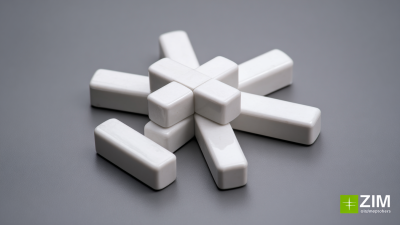
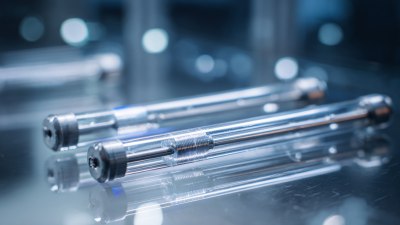
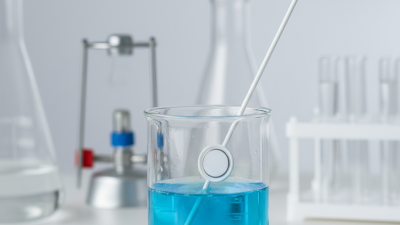
PTFE magnetic stir bars are essential tools in laboratories and various industries. They facilitate effective mixing and homogenization of solutions. Their non-stick surface reduces contamination risk, making them ideal for chemical reactions and sensitive samples.
These stir bars come in various sizes and shapes, catering to different mixing needs. Their design allows for smooth rotation, enhancing the efficiency of stirring. However, choosing the right stir bar can be challenging. Factors like size, shape, and application must be considered. Users often find that the wrong choice leads to ineffective mixing or even damage to vessels.
Cleaning PTFE stir bars requires care. They are generally resistant to chemicals, yet some solvents can degrade them. Regular inspection helps maintain their performance. While these tools are reliable, occasional issues such as magnet detachment can occur. Understanding these limitations ensures better results in your mixing processes.
Key Features to Look for in High-Quality PTFE Magnetic Stir Bars
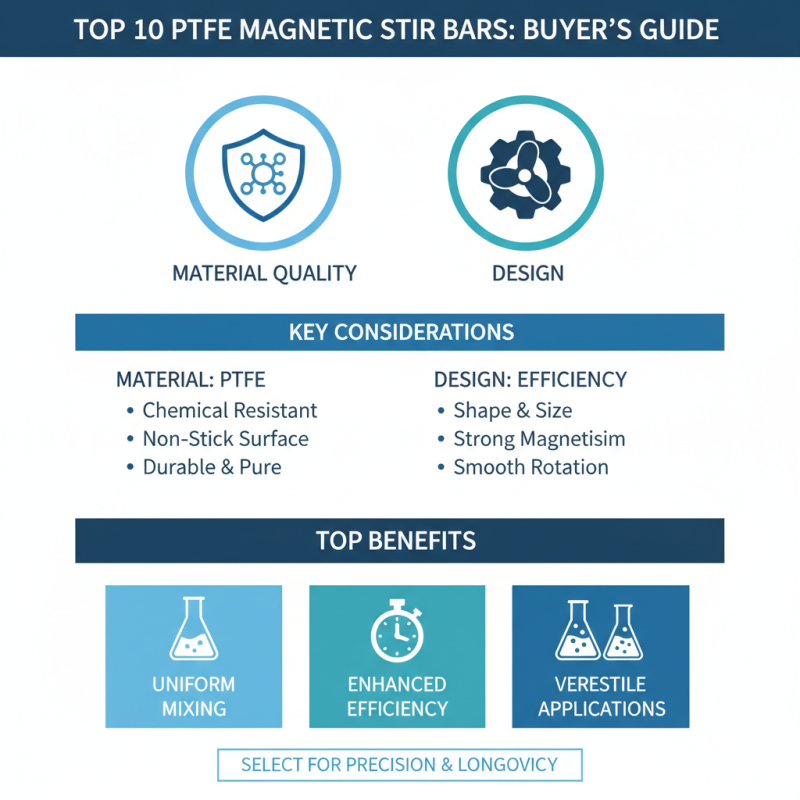
When choosing high-quality PTFE magnetic stir bars, it's essential to examine several key features. Firstly, consider the stir bar's material. PTFE, or polytetrafluoroethylene, is known for its chemical resistance and non-stick properties. This makes it ideal for various applications in laboratories. The durability of the bar is also crucial; it should withstand prolonged use without degrading.
Another vital feature is the size and shape of the stir bar. A well-designed stir bar enhances mixing efficiency, ensuring even distribution of substances. Look for options that offer a range of sizes to accommodate different container types. The shape impacts how effectively the stir bar moves within the liquid, influencing your mixing outcome.
Tips: Always assess the packaging of the stir bars. Secure packaging ensures the stir bars arrive undamaged. Additionally, read user reviews to gauge real-world performance. They often highlight aspects not covered in product descriptions.
Finally, consider the magnetic strength of the stir bar. Stronger magnets provide better stirring power. Without sufficient strength, mixing can become inefficient and uneven. A common oversight is not testing the stir bar in your specific application to evaluate its compatibility.
Top 10 Recommendations for the Best PTFE Magnetic Stir Bars
When selecting the best PTFE magnetic stir bars, it's essential to consider material quality and design. PTFE, or polytetrafluoroethylene, is known for its chemical resistance. This makes it ideal for mixing various solutions. The right stir bar enhances efficiency and ensures uniform distribution of substances.
Consider the length and shape of stir bars. A stir bar that’s too short may not provide effective mixing. Conversely, an overly long bar may not fit in smaller containers. The design plays a vital role in determining how well the stir bar spins. Some designs are better for viscous liquids, while others work well in lighter fluids.
Watch for wear and tear over time. Some PTFE stir bars might become less effective after extensive use. Regularly assessing their performance can help prevent inconsistent mixing. User feedback and peer recommendations can also guide your choices. Keep in mind that every lab has unique requirements. What works well for one may not suit another’s needs.
Comparative Analysis of Stirring Efficiency Among Featured Products
When selecting PTFE magnetic stir bars, one must consider several factors impacting stirring efficiency. These include the bar's length, diameter, and the material composition. A shorter stir bar may not create sufficient turbulence in larger containers. Conversely, an overly long bar could present difficulties in maneuverability. Observing the stirring patterns can reveal much about mixing efficiency; look for uniform vortex formation and consistent mixing throughout.
Comparative analysis of different products shows variations in performance. Some stir bars maintain speed and stability better than others. Factors such as magnetic strength and resistance to wear play significant roles. A user should analyze their stirring needs carefully. Some bars may excel in small-scale applications but fail in larger experiments. It's essential to reflect on how each product aligns with your specific laboratory requirements. Not every choice will suit every task, leading to potential inefficiencies or subpar results.
Top 10 Best PTFE Magnetic Stir Bars - Mixing Efficiency Comparison
Maintenance and Care Tips for PTFE Magnetic Stir Bars
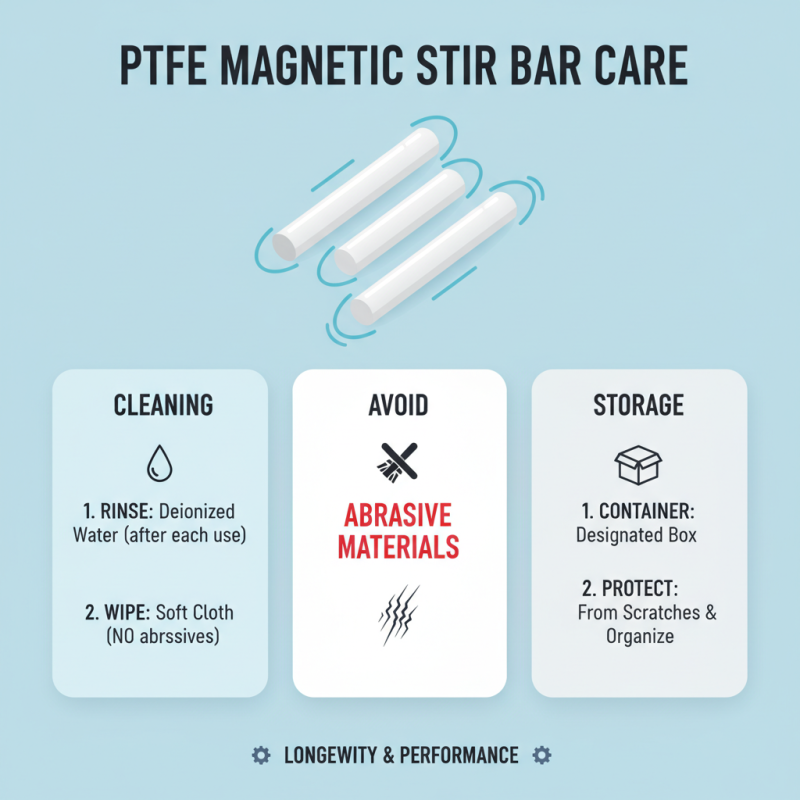
When using PTFE magnetic stir bars, proper maintenance is essential for longevity and performance. Regular cleaning is crucial. After each use, rinse the stir bars with deionized water. Avoid abrasive materials that can damage the surface. Instead, use a soft cloth to wipe them down. Storing them in a designated container protects them from scratches and keeps them organized.
Tip: Periodically inspect your stir bars for scratches or wear. Small damages can lead to ineffective mixing. If you notice any deterioration, consider replacing the stir bars. Keeping an eye on their condition ensures consistent performance during experiments.
It’s also important to avoid exposing PTFE stir bars to extreme temperatures. High heat can warp the shape and affect mixing efficiency. Additionally, do not immerse them in harsh chemicals that could compromise their integrity. Understanding these aspects will lead to better usage and reliable results.