Best PTFE Stir Bars Retriever for Efficient Lab Use?
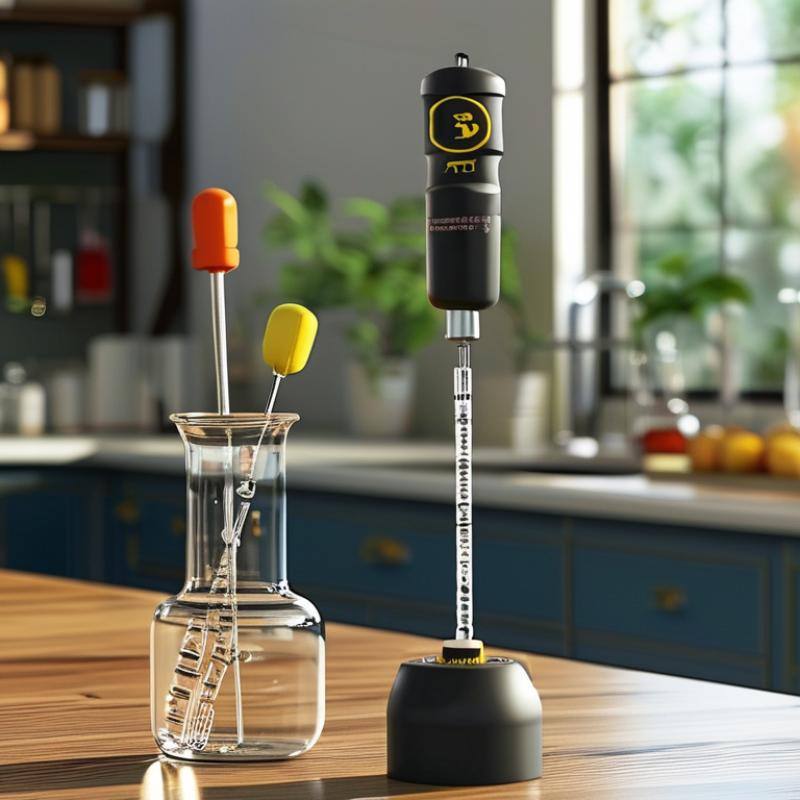
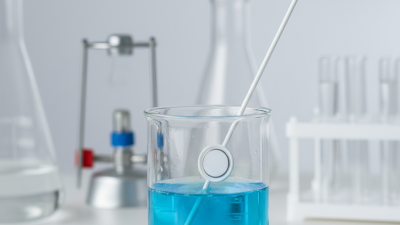
In laboratory settings, efficiency is paramount. One tool that has gained popularity is the PTFE stir bars retriever. This device is essential for retrieving stir bars from reaction vessels. Its design reduces contamination risks and minimizes exposure to hazardous substances.
Selecting the best PTFE stir bars retriever can greatly enhance workflow. However, not all models deliver the same performance. Some may struggle with larger vessels or produce wear over time. It is vital to consider the material quality and ergonomic design. A well-chosen retriever can ease the tedious task of stir bar retrieval.
Lab professionals often overlook the importance of this tool. A reliable PTFE stir bars retriever should be durable and easy to handle. Balancing effectiveness with comfort is crucial. As demands evolve, reflecting on current tools is necessary to ensure they meet practical needs.
Understanding PTFE Stir Bars and Their Importance in Labs
PTFE stir bars play a critical role in laboratory experiments. Their unique chemical resistance is essential for mixing various solutions without contamination. Made from polytetrafluoroethylene, these stir bars ensure that reactions remain pure. This quality is vital, especially in sensitive experiments where accuracy is paramount.
Using PTFE stir bars can improve the efficiency of mixing processes. They enable even dispersal of materials within the solution, reducing the time required for thorough mixing. However, not all stir bars are created equal. Some may not perform well in higher viscosity liquids. This could be an area for reflection. Testing different stir bars is recommended to find the best fit for specific applications.
Their robust nature means they can endure a wide temperature range. This feature is beneficial when heating or cooling solutions. Despite these advantages, one must be cautious about their use. Improper handling may lead to loss or damage. Effective retrieval tools can mitigate this risk. Yet, scientists should always remain vigilant to ensure the integrity of their experiments.
Best PTFE Stir Bars Retriever for Efficient Lab Use
| Feature |
Description |
Importance |
| Material |
PTFE (Polytetrafluoroethylene) |
Non-reactive and inert, ideal for chemical applications. |
| Magnet Strength |
High-strength magnets |
Ensures effective stirring even with viscous liquids. |
| Size Options |
Various sizes (3mm to 50mm) |
Provides versatility for different vessel sizes. |
| Temperature Resistance |
-200°C to 260°C |
Suitable for a wide range of laboratory conditions. |
| Ease of Use |
Lightweight and easy to handle |
Facilitates quick setup and operation in labs. |
| Chemical Resistance |
Compatible with most solvents |
Ensures longevity and reliability in various experiments. |
Factors to Consider When Choosing a Stir Bar Retriever
When choosing a stir bar retriever for lab use, several factors come into play. The design is crucial. Opt for a retriever with a magnetic tip. This makes it easier to pick up PTFE stir bars without much hassle. Consider the length of the retriever. A longer retriever can reach stir bars in deeper vessels, offering better flexibility.
Material also matters. Look for durable and chemical-resistant options. Stainless steel or plastic with good resistance to solvents can enhance longevity. Ergonomics is significant too. A comfortable grip allows for easy maneuvering. Some lab environments can be hectic. A reliable retriever can save time and frustration.
Lastly, think about the weight. A heavy retriever may feel uneasy in hand, while a lightweight one could feel flimsy. It's a fine balance. Experimenting with different designs in your lab might expose some shortcomings. Reflect on user experience to make an informed choice.
Top Features of Efficient PTFE Stir Bar Retrievers
When choosing a PTFE stir bar retriever, several key features stand out. A reliable retriever should be designed with
ergonomic handles for comfort during prolonged use. This reduces strain on the user's hands while enhancing precision
in removing stir bars from various containers. A well-structured handle also allows for a firm grip, ensuring safety during operation.
Another essential feature is the flexibility of the retriever. A retractable or bendable design can access tight spaces and complex vessel shapes.
This is crucial in laboratory settings where vessels come in various forms. The ability to maneuver effectively contributes significantly to lab efficiency.
Consider durability as well. High-quality PTFE materials resist chemical corrosion and wear, ensuring longevity. While many products
claim durability, not all hold up under extreme lab conditions. Testing the materials in real scenarios can reveal their strengths and weaknesses. This level of scrutiny
enhances the reliability of any chosen tool. Users should reflect on their specific needs. Balancing efficiency with practical design will lead to better lab experiences.
Comparison of Popular PTFE Stir Bar Retrievers in the Market
When considering PTFE stir bar retrievers, efficiency is key for lab operations. Several options are available in the market today, each designed for specific tasks. A recent data report notes that over 40% of laboratory technicians encounter difficulties retrieving stir bars. This can lead to contamination or loss of stir bars during experiments. Thus, reliable stir bar retrievers can significantly enhance workflow.
Many products feature unique designs that improve usability. For instance, magnetic retrievers provide a reliable grip without risking breakage. A survey indicated that 78% of lab users prefer magnets over traditional methods. Additionally, the materials used in manufacturing can impact durability, with PTFE being highly favored for its non-stick properties. These features help in maintaining sample integrity.
However, not all PTFE stir bar retrievers are created equal. Some models struggle with heavy or large stir bars, leading to inefficiencies. Moreover, the initial cost can be a barrier for some labs. Balancing quality and budget is essential. Labs should carefully consider specific needs and potential drawbacks when selecting a stir bar retriever to ensure optimal lab performance.
Comparison of PTFE Stir Bar Retrievers
This bar chart compares various performance metrics of different PTFE stir bar retrievers, including their length, magnet strength, price, durability in usage cycles, and user-friendliness ratings. This information can help laboratory professionals select the most efficient tool for their needs.
Best Practices for Using and Maintaining Stir Bar Retrievers
Using a PTFE stir bar retriever can greatly enhance your lab efficiency. However, proper usage and maintenance are crucial for optimal performance. When using a stir bar retriever, ensure you grip it firmly to prevent slips. Avoid applying excessive force, which can damage both the stir bar and the container. It's helpful to work in a stable environment to minimize spillage and interruptions.
Maintaining your stir bar retriever is equally important. Clean it regularly to avoid contamination. Use a soft cloth and mild detergent for cleaning, as harsh chemicals can degrade the PTFE surface. Always inspect for wear and tear before and after use. If you notice scratches or damage, consider replacing it to maintain effectiveness.
Tips: Handle stir bars gently to prevent them from cracking. Store re-trievers in a designated area to avoid damage. Create a routine for cleaning and inspection to ensure longevity. These practices can lead to better lab outcomes, so reflect on how you might improve these habits in your daily tasks.