Best PTFE Stirring Sticks for Your Lab Needs?
In the world of laboratory work, precision is key. A reliable PTFE stirring stick can enhance your experimental outcomes significantly. Constructed from polytetrafluoroethylene (PTFE), these stirring sticks offer exceptional chemical resistance. They withstand harsh solvents and high temperatures, ensuring durability.
Choosing the best PTFE stirring stick can be challenging due to various options available. Consider the length and thickness that best suit your needs. A stick that’s too short may not reach the bottom of larger flasks. On the other hand, overly thick sticks could not fit into narrow openings.
Not all PTFE stirring sticks are created equal. Some may bend or warp under stress. Others may not provide the mixing efficiency you need. It’s crucial to evaluate the sticks for their intended use in your lab. This careful selection process contributes to reliable results in your research.
Understanding PTFE Stirring Sticks and Their Applications in Labs
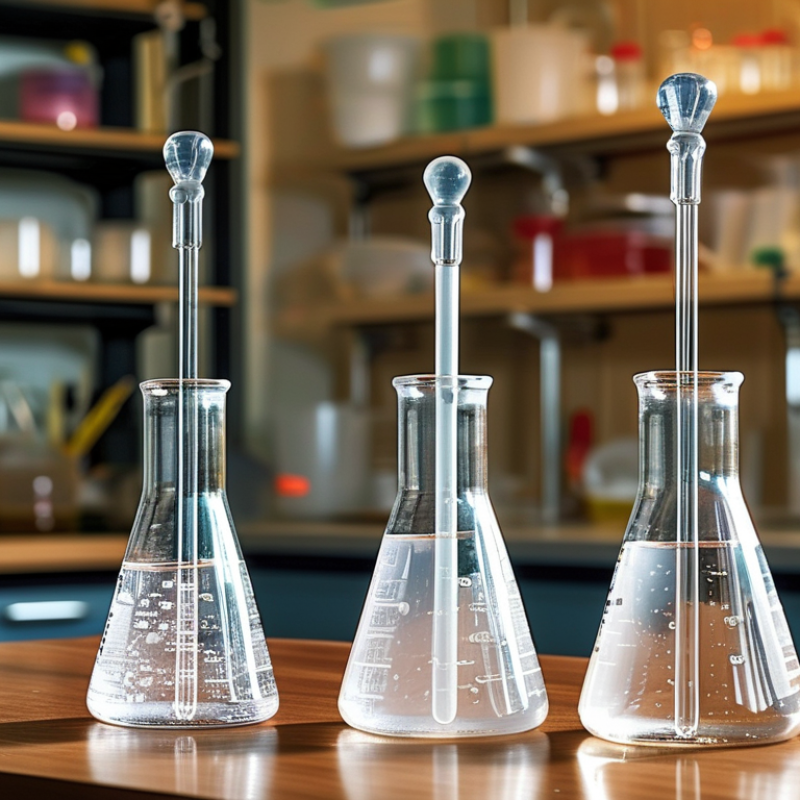
PTFE stirring sticks are essential tools in laboratory settings. They are made from polytetrafluoroethylene, a material that is chemically resistant and non-reactive. This makes them suitable for stirring various solutions without compromising their integrity. These stirring sticks are ideal for mixing corrosive materials, solvents, and viscous substances.
When using PTFE stirring sticks, it is crucial to select the right size for your container. Larger containers may require longer sticks for effective mixing. Consider the viscosity of the substances you are working with. If a solution is too thick, a frail stirring stick might break or bend. Observing the mixing process is vital; adjust the stirring speed and stick length as needed to improve efficiency.
Keep the stirring sticks clean after each use. Residues may affect future experiments. Regular inspection for wear or damage is important to ensure reliability. Investing in high-quality sticks can save you from frequent replacements. While PTFE stirring sticks are robust, improper handling can lead to cracks or chips. Aim to handle these tools gently to prolong their life.
Key Features to Consider When Choosing PTFE Stirring Sticks
When selecting PTFE stirring sticks for laboratory use, several key features should guide your choice. The size and length of the stirring stick should match the volume of your containers. A longer stirring stick can reach deeper vessels but may be cumbersome in smaller ones. Consider whether the stick needs to fit into narrow openings or if flexibility is required for certain tasks.
The chemical resistance of PTFE is crucial for many lab applications. This material is non-reactive, making it suitable for a variety of substances. However, not all PTFE sticks are created equal. Some may have added fillers that compromise their performance. Always check the specifications for purity to ensure reliable results in your experiments.
When evaluating PTFE stirring sticks, pay attention to their heat resistance as well. While PTFE can withstand high temperatures, continuous exposure can still lead to degradation. It's important to balance temperature tolerance with your lab’s specific needs. Choose sticks that maintain integrity under your typical operating conditions.
Experimenting with different lengths may enhance your technique. Longer sticks can help you gauge the mixing efficiency. Don’t hesitate to test different options to determine what works best. Continuous reflection on your choice will lead to better lab practices.
Top Brands of PTFE Stirring Sticks Recommended for Laboratory Use
When considering the best PTFE stirring sticks for laboratory use, it’s important to focus on reliability and performance. Research indicates that PTFE (polytetrafluoroethylene) stirring sticks are favored in labs due to their chemical resistance and non-stick properties. A recent industry report suggests that these materials provide exceptional durability, making them suitable for various solvents and reactive materials.
Top brands in the market offer a variety of designs. Some feature ergonomic handles for ease of use. Others boast temperature resistance, essential in high-heat applications. According to a study published by the American Chemical Society, laboratories that utilize high-quality stirring sticks see a 15% increase in operational efficiency. This highlights the importance of selecting the right tools for precise mixing.
However, not all PTFE products are created equal. Variations in manufacturing can lead to inconsistent performance. Researchers have noted that poorer quality stirring sticks may break or warp under pressure. It’s crucial for laboratories to assess their needs and choose products that ensure both safety and effectiveness. Quality should never be compromised in pursuit of cost savings.
Maintenance Tips for Ensuring Longevity of PTFE Stirring Sticks
To ensure the longevity of your PTFE stirring sticks, proper maintenance is fundamental. These tools are essential in many labs, offering excellent chemical resistance. Regular cleaning after each use prevents any residue buildup. It’s important to wash them with mild detergents and warm water. Harsh chemicals should be avoided to preserve the integrity of the PTFE material.
Storing your stirring sticks correctly can significantly extend their life. They should be kept in a designated container, away from direct sunlight and extreme temperatures. Improper storage can lead to warping or degradation over time. Keep them organized to prevent accidental bending or breakage, which affects their performance.
Regular visual inspections also play a crucial role. Look for signs of wear or damage. A small crack can lead to larger issues in experiments. Maintaining an organized lab environment helps in promptly identifying these issues. These practices can help you make the most of your stirring sticks and ensure they continue to function effectively.
Best PTFE Stirring Sticks for Your Lab Needs? - Maintenance Tips for Ensuring Longevity of PTFE Stirring Sticks
| Model |
Length (cm) |
Diameter (mm) |
Max Temperature (°C) |
Recommended Use |
Maintenance Tips |
| Standard PTFE Stirring Stick |
20 |
8 |
260 |
General stirring of liquids |
Wash with mild detergents, avoid abrasive cleaners |
| Heavy-Duty PTFE Stirring Stick |
30 |
10 |
260 |
Viscous liquids and heavy solutions |
Store in a dry place, avoid physical stress |
| Precision PTFE Stirring Stick |
15 |
5 |
260 |
Sensitive and reactive substances |
Use gently, avoid contact with sharp objects |
Comparative Analysis of PTFE Stirring Sticks vs. Other Materials
When considering stirring sticks for laboratory applications, the material choice plays a significant role in performance.
PTFE, or polytetrafluoroethylene, is well-regarded for its chemical resistance. Studies show that PTFE stirring sticks perform exceptionally well in reactive environments, with a notable resistance to corrosion from acids and bases. This makes them a top choice for labs dealing with aggressive chemicals. In contrast, wood or metal stirring sticks may not hold up well in such settings. Wood can absorb chemicals, while metal may introduce contamination.
Furthermore, the thermal stability of PTFE is another significant advantage. According to a report by the American Chemical Society, PTFE can withstand temperatures up to 260°C without degrading. This characteristic is crucial when working with high-temperature reactions. Traditional materials may warp or melt, therefore risking experimental integrity. However, a potential drawback of PTFE is its less tactile control compared to materials like glass.
When stirring sensitive solutions, some researchers might prefer materials that provide a better feel for viscosity changes. The choice between PTFE and other materials ultimately depends on specific lab requirements. While PTFE provides excellent chemical resistance and thermal stability, other materials might offer tactile feedback and cost-effectiveness. Understanding these trade-offs is essential for researchers aiming for reliable results in their experiments.