How to Choose the Best PTFE Beaker for Your Needs?
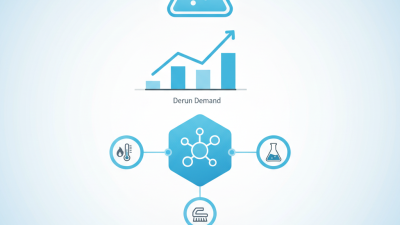
Choosing the right PTFE beaker is crucial for laboratory efficiency. PTFE, or polytetrafluoroethylene, is known for its chemical resistance and durability. According to a recent market analysis, the demand for PTFE labware has risen by 15% over the past three years. This highlights the necessity for researchers to select suitable beakers that align with their specific applications.
When considering your options, several factors come into play. The size, shape, and thermal stability should be evaluated. PTFE beakers are favored for their non-stick surfaces, but not all products offer the same quality. A 2022 study found that only 40% of PTFE beakers tested met industry standards for chemical resistance. Therefore, prioritizing well-established manufacturers is essential for reliable results.
In the ever-evolving lab environment, it's important to ask critical questions. Are the beakers compatible with all of your chemicals? Do they maintain structural integrity under heat? Reflecting on these points can guide you toward the best PTFE beaker for your needs.
Understanding PTFE Beakers: Composition and Properties
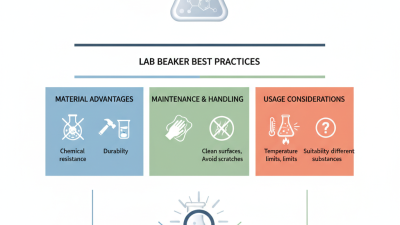
PTFE beakers are essential tools in laboratories due to their unique properties. Made from polytetrafluoroethylene, these beakers are known for their excellent chemical resistance. Research indicates that PTFE can withstand a broad range of corrosive substances, making it ideal for various applications. According to a report by the Chemical Engineering magazine, PTFE materials exhibit minimal absorption and heat transfer, adding to their reliability in scientific settings.
When selecting a PTFE beaker, consider the required volume and shape. Some applications might need specialized designs to fit particular equipment. Weight can also be a factor; lighter beakers are easier to handle, but heavier ones offer stability.
Tip: Always check the manufacturer's specifications for temperature limitations.
The surface finish of a PTFE beaker affects its cleaning and usability. A smooth finish minimizes the risk of contamination, while rougher surfaces can retain residue, leading to experimental errors. It's crucial to balance between usability and precision.
Tip: Regularly inspect your beakers for signs of wear or damage.
In choosing the right beaker, ensure it complements your specific laboratory processes. This attention to detail can significantly enhance your research quality while maintaining safety standards.
How to Choose the Best PTFE Beaker for Your Needs?
| Property |
Value |
| Material Composition |
Polytetrafluoroethylene (PTFE) |
| Temperature Resistance |
-200°C to 260°C |
| Chemical Resistance |
Highly resistant to acids, bases, and solvents |
| Transparency |
Opaque |
| Weight |
Varies by size (e.g., 100ml: 30g, 1000ml: 200g) |
| Size Range |
From 50ml to 5000ml |
| Ideal Use Cases |
Chemical labs, pharmaceuticals, food industry |
| Cleaning Method |
Easy to clean, suitable for autoclaving |
| Price Range |
$10 - $100 depending on size |
Evaluating Size and Capacity for Your Specific Needs
When choosing a PTFE beaker, size and capacity are crucial. Start by considering your specific needs. What will you store or mix in the beaker? Smaller beakers, around 50 ml, are ideal for precise measurements and small experiments. If you work with larger samples, consider beakers that can hold up to 1000 ml or more. This will give you the flexibility to accommodate various tasks.
Evaluating the dimensions is equally important. Think about the space you have in your lab. A wider base can enhance stability, reducing the risk of spills. If your workstation is cluttered, a more compact design is beneficial. Ensure your beaker fits well with your other lab equipment. A mismatch in size can lead to inefficiencies and frustration. It's a detail that is easy to overlook but can impact your workflow significantly.
Reflect on your past experiences with beakers. Have you found some too small or too large? Keep track of what works best. This insight will help in future purchases. In the end, the right PTFE beaker should cater to both your immediate and long-term needs. Consider these aspects carefully to make an informed decision.
Assessing Temperature Resistance and Chemical Compatibility
When selecting a PTFE beaker, understanding temperature resistance and chemical compatibility is crucial. PTFE, or polytetrafluoroethylene, can withstand a wide range of temperatures. Generally, these beakers perform well from -200°C to 260°C. However, they can sometimes warp if exposed to extreme heat for too long. It’s essential to think about your specific applications.
Chemical compatibility is another vital factor. PTFE is known for its resistance to many aggressive chemicals. However, it’s not invincible. Some strong oxidizers can degrade the material over time. Therefore, knowing the chemicals you will work with is non-negotiable. Conducting small tests with samples can sometimes reveal compatibility issues that general guidelines do not address.
It’s also worth reflecting on the actual conditions of use. Are the beakers regularly exposed to high-stress environments? Consistent thermal cycling can affect their longevity. Assess your own needs based on practical experiences. Gathering insights from others who use similar equipment can also provide valuable information. Being informed can significantly enhance your decision-making process, leading to better outcomes.
Examining Design Features: Handles, Lid Options, and Ease of Use
Choosing the right PTFE beaker involves understanding its design features.
Handles play an essential role in usability. A well-designed handle provides a secure grip, reducing the risk of spills. Look for ergonomic designs that support comfortable holding.
Lid options are also crucial. Sealed lids help prevent contamination. Some lids allow for easy access while still ensuring safety. Experiment with different types to find what works best for your tasks. A beaker with a clear lid might help you monitor contents without removing it.
Tips: Check the weight of the beaker. Heavier options may feel sturdier but could be cumbersome for extended use. Consider the size. A larger capacity may seem more efficient but can lead to challenges in handling. Think about how often you'll use the beaker. Frequent users might prioritize ease of cleaning. Reflect on your needs and choose wisely for the best experience.
Considerations for Budget and Quality in Selecting PTFE Beakers
When choosing a PTFE beaker, quality and budget are often in conflict. PTFE, or polytetrafluoroethylene, is renowned for its non-stick and chemical-resistant properties. According to a report from the American Society for Testing and Materials (ASTM), high-quality PTFE beakers can withstand extreme temperatures, ensuring longevity in laboratory settings.
Budget constraints can lead to choices that may impact performance. Some lower-cost beakers may lack durability. A study from the National Institute of Standards and Technology (NIST) highlights that inferior PTFE materials can deform under heat or chemical exposure. Investing in beakers made with pure PTFE may cost more upfront but can save expenses on replacements over time.
Consider specific needs for experimentation. A budget PTFE beaker might not handle strong solvents effectively, compromising your results. Evaluate the types of chemicals you’ll use. While a lower price might seem appealing, it’s essential to reflect on the long-term implications of durability and performance. Select beakers that align not only with financial limitations but also with performance expectations.