Leave Your Message

How to Choose the Best PTFE Stirring Stick?

Choosing the right Ptfe Stirring Stick can affect mixing quality, equipment safety, and laboratory efficiency. A suitable stick should withstand heat, resist chemical attack, and remain easy to clean after repeated use. Yet material claims alone do not tell the whole story.

In daily laboratory work, I have seen small design details create noticeable differences. A smooth PTFE surface releases viscous samples more easily. A rounded tip can reduce scraping marks inside glass vessels. The correct length also matters, especially when stirring narrow bottles, deep beakers, or temperature-controlled containers. Too short, and the liquid remains uneven. Too long, and handling becomes awkward.

Not every product performs equally.

Reliable selection requires more than comparing prices. Check the PTFE grade, dimensional accuracy, surface finish, and resistance information supplied by the manufacturer. Independent test data, traceable specifications, and clear cleaning guidance can support a more confident purchase. Still, published specifications may not reflect every real working condition. Stirring speed, solvent concentration, temperature changes, and contact with abrasive particles can alter performance over time.

This guide examines the practical factors behind a dependable Ptfe Stirring Stick. It considers handle comfort, chemical compatibility, durability, and application-specific sizing. It also questions common assumptions, because “chemical resistant” does not mean universally indestructible. By combining manufacturer evidence with careful laboratory observation, readers can choose a tool that fits their process rather than relying on a convenient label.

How to Choose the Best PTFE Stirring Stick?

What Is a PTFE Stirring Stick and How Does It Work?

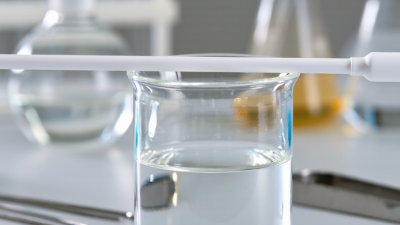
A PTFE stirring stick is a solid fluoropolymer rod used to mix liquids, powders, and suspensions. It works through direct mechanical contact. As the rod moves, its rounded end transfers force through the liquid and breaks up concentration layers. PTFE has a very low-friction surface, so material usually slides away instead of sticking. The NIST Chemistry WebBook reports PTFE’s melting point near 327°C. However, this value is not a safe working temperature. Mechanical load, exposure time, and nearby heat sources also matter.

In laboratory work, I prefer a smooth, polished stick with no cracks, sharp edges, or cloudy patches. Length should match the vessel depth, while diameter should suit the mixing resistance. A thin stick feels precise in a small vial, but it may bend in thick suspensions. A thicker rod transfers more force, although it can scrape glassware. PTFE resists many chemicals, but that does not mean universal resistance. Strong oxidizers, high temperatures, and repeated abrasion can change its surface. That assumption needs checking.

Tips: Check the supplier’s temperature and chemical-compatibility data before use. NIST data supports material identification, not every operating decision. Clean the stick with a compatible solvent, inspect it under bright light, and avoid using damaged surfaces. ASTM material specifications can help verify PTFE resin quality, but they do not replace a vessel-specific trial. A small test batch is often wiser.
Which PTFE Properties Matter for Your Application?

Choosing the best PTFE stirring stick starts with the liquid, temperature, and stirring method. Chemical resistance matters most when working with acids, solvents, or reactive mixtures. PTFE handles many aggressive chemicals well, but it is not immune to every condition. Strong oxidizing environments may require careful verification. Do not rely on a general resistance chart alone.

Temperature performance also deserves attention. PTFE commonly supports service temperatures from cryogenic conditions to about 260°C, depending on grade and mechanical load. Heat can make the material softer. Continuous pressure may cause creep. Low friction helps the stick move smoothly and reduces surface damage to glass vessels. Its nonstick surface also limits residue buildup. Scratches still matter.

Mechanical strength is easy to overlook. A thin, long stick may bend during vigorous mixing. A thicker design offers better stiffness, but it can disturb small samples. Dimension stability becomes important in heated baths or extended processes. Purity may matter more than strength in analytical work. Filled PTFE can improve wear resistance, yet additives may affect chemical compatibility. I once treated “chemically inert” as a complete answer. It was not. Review the fluid, speed, temperature, cleaning routine, and expected service life together. Ask for material data and inspection records when repeatability matters.

How to Choose the Right Length, Diameter, and Shape?

How to Choose the Best PTFE Stirring Stick?

Choose the length from the vessel, not the catalogue. A stick should reach near the bottom without touching it continuously. For a 100–250 mL beaker, 150–200 mm is usually manageable. Larger vessels may need 250–300 mm. Leave enough handle above the rim for controlled movement. Too short.

Diameter affects strength, grip, and mixing resistance. A 3–5 mm diameter suits water-like liquids and small vessels. Use 6–10 mm for thicker solutions or repeated manual stirring. Engineering data tested under ASTM D792 commonly place virgin PTFE density near 2.2 g/cm³. It is chemically resistant, but it is not rigid like glass or metal. A thin, long stick can flex noticeably.

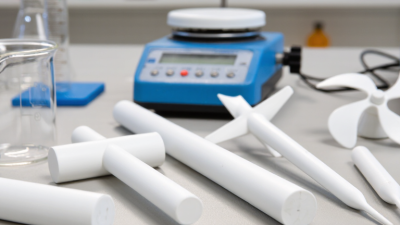
Shape matters more than many buyers expect. A straight rod offers clean access and easy washing. A rounded end reduces scraping risk on glass. A paddle end moves viscous liquid better, but it also creates more drag and may trap residue. A looped end can improve circulation in narrow containers, though cleaning becomes less predictable. Technical guidance for polymer selection often places PTFE service temperatures near 260°C, but actual performance depends on load and exposure time. I would avoid relying on that limit during forceful stirring. The “best” shape is still a compromise.

How to Check Chemical, Thermal, and Mechanical Compatibility?

How to Choose the Best PTFE Stirring Stick?

Chemical compatibility should be checked against the real solution, not only its chemical name. Concentration, temperature, exposure time, and impurities can change PTFE performance. Review reliable compatibility data before selecting a stirring stick. A chart helps, but it is not a verdict. I would test a small sample when the liquid is concentrated, heated, or mixed for many hours. Watch for swelling, surface changes, discoloration, or unusual residue.

Thermal compatibility deserves equal attention. Confirm the stick’s working temperature with documented technical data. Do not rely on a remembered temperature limit. Heating, cooling, and sudden temperature changes can create stress. Keep the PTFE away from direct contact with heating elements. Excessive heat may damage the material or release hazardous decomposition products. Use proper ventilation and follow laboratory safety procedures.

Mechanical compatibility is often underestimated. Match the stick length and diameter to the vessel, stirrer, and liquid volume. High speed can increase bending, vibration, and contact with the container wall. A thin stick may flex under torque. A heavy or abrasive mixture may accelerate wear. Check the shaft connection carefully. It should remain secure during continuous operation. One practical mistake is choosing chemical resistance while ignoring mechanical load. Recheck the setup after several minutes, because a stable start does not guarantee stable operation.

How to Choose the Best PTFE Stirring Stick? - How to Check Chemical, Thermal, and Mechanical Compatibility?

Compatibility Dimension Typical PTFE Performance or Limit Suitable Applications Important Selection Check
General chemical resistance Excellent resistance to most acids, bases, salts, and many organic solvents at moderate temperatures. Routine laboratory mixing, sample preparation, and corrosive-liquid handling. Check the exact chemical, concentration, temperature, exposure time, and mechanical load.
Strong mineral acids Generally compatible with hydrochloric acid, nitric acid, sulfuric acid, and phosphoric acid under many laboratory conditions. Acidic solutions and corrosive chemical processing. High concentration, elevated temperature, oxidizing conditions, and prolonged exposure require specific verification.
Strong bases Generally compatible with sodium hydroxide, potassium hydroxide, and alkaline solutions. Alkaline cleaning solutions and caustic chemical mixtures. Confirm temperature and concentration, especially when the stick is under bending or torque.
Organic solvents Usually resistant to alcohols, ketones, aromatics, aliphatic hydrocarbons, and many halogenated solvents. Solvent-based formulations, extraction work, and analytical preparation. Check for permeation, swelling, or stress cracking in highly aggressive solvents at high temperature.
Fluorine and reactive fluorinating agents Not recommended for elemental fluorine or highly reactive fluorinating environments. Only use after a documented chemical-resistance review. Treat elemental fluorine and some fluorinating compounds as special-case incompatibilities.
Molten alkali metals Generally unsuitable because hot alkali metals can attack fluoropolymers. Avoid unless compatibility has been confirmed by a qualified materials specialist. Consider chemical reactivity together with temperature and oxygen-free operating conditions.
Continuous service temperature Commonly rated for continuous service up to approximately 260°C, subject to product design and load. Heated laboratory vessels and moderate high-temperature mixing. Use the supplier’s rating for the finished stick, not only the resin’s general temperature data.
Melting point Approximately 327°C for standard PTFE. Useful as a material reference, not as an operating temperature. Do not operate near the melting point; strength and dimensional stability decline well before melting.
Thermal expansion Relatively high compared with glass and metals; dimensional change becomes significant during heating. Applications where the stick is not tightly constrained. Allow clearance in holders and avoid tight fits that may create stress during thermal cycling.
Heat transfer Low thermal conductivity, approximately 0.25 W/m·K for unfilled PTFE. Mixing where electrical insulation and low heat transfer are beneficial. Do not use the stick as a temperature probe or as a substitute for controlled heat monitoring.
Mechanical strength Typical tensile strength is approximately 20–35 MPa, depending on grade and processing. Low-to-moderate manual stirring and light-duty powered mixing. Select a larger diameter or reinforced design for high torque, long shafts, or viscous materials.
Stiffness and creep PTFE is relatively soft and can deform or creep under sustained load, especially at elevated temperature. Short-duration stirring with limited bending force. Avoid continuous side loading and unsupported long spans; consider a filled PTFE or alternative material if rigidity is critical.
Friction and non-stick behavior Very low coefficient of friction, often about 0.04–0.10 in dry sliding conditions, depending on the test method. Mixing sticky, viscous, or residue-forming materials. Low friction does not eliminate wear when abrasive particles or high contact pressure are present.
Wear and abrasion Good chemical durability but comparatively limited abrasion resistance because PTFE is soft. Clean liquids and low-solid-content mixtures. For powders, crystals, glass particles, or abrasive slurries, inspect regularly and consider a wear-resistant material.
Electrical insulation Excellent dielectric properties and high electrical resistance under normal conditions. Mixing near electrical equipment or in electrically sensitive processes. Surface contamination, moisture, temperature, and mechanical damage can affect insulation performance.
Cleanability Non-stick surface is easy to rinse and generally compatible with many laboratory cleaning agents. Reusable laboratory and process equipment. Use a cleaning method compatible with the chemical residue and avoid scratching the surface.
Dimensional design Diameter, length, tip geometry, and surface finish determine bending, torque, reach, and cleaning performance. Manual stirring, overhead stirring, beaker mixing, and vessel cleaning. Match the stick length to vessel depth and the diameter to the required stiffness and stirring force.
Selection rule: Verify chemical concentration, operating temperature, exposure duration, stirring speed, torque, bending load, abrasive content, and cleaning method before final selection. The values shown are typical reference ranges; the finished product specification and application test should take priority.

How to Compare Quality, Maintenance, and Overall Value?

Choosing the Best PTFE Stirring Stick

When comparing PTFE stirring sticks, inspect quality before focusing on price. A reliable stick should have a smooth, uniform surface without pits, bubbles, or sharp edges. These small defects can trap residue and complicate cleaning. Check whether the stick feels rigid enough for the intended vessel and mixing speed. A poorly centered core may cause wobbling, especially in narrow containers.

I once overlooked this detail, and the uneven movement created more splashing than expected.

Material quality also affects maintenance. Virgin PTFE usually offers strong chemical resistance and a low-friction surface, but it is not impossible to damage. Avoid scraping it against rough glass, metal edges, or abrasive pads. After use, rinse the stick promptly, then wash it with a compatible laboratory cleaner.

Inspect it under bright light. Fine scratches may seem harmless, yet they can retain powders or colored residues. Replace the stick when cracks, deep grooves, or exposed internal material appear. Cleaning records help, although busy laboratories do not always keep them consistently.

Overall value depends on service life, cleaning time, and process reliability, not purchase price alone. Compare dimensions, stiffness, surface finish, and expected workload. A cheaper stick may become expensive if it bends, stains, or requires frequent replacement.

A more durable option can reduce interruptions, but only when its size suits the vessel. Specifications are useful. Actual handling still matters. Allow a small trial period before standardizing one design across every workstation.