How to Choose the Right PTFE Coated Magnetic Stir Bar for Your Needs?
Choosing the right PTFE coated magnetic stir bar is critical in laboratory settings. The global market for magnetic stirrers is projected to reach $500 million by 2026, indicating significant growth. An effective stir bar enhances mixing efficiency, reducing research time and improving results.
PTFE coated magnetic stir bars are highly resistant to chemicals and heat. They withstand harsh solvents often used in experiments. However, picking the wrong stir bar can lead to ineffective stirring and compromised experiments. A mismatch in size or coating may produce unexpected results.
Many researchers still overlook these factors. Some assume that all stir bars perform similarly. But subtle differences can impact outcomes. Thus, assessing your specific needs is essential. Understanding material compatibility and stir bar dimensions can prevent costly mistakes. Engage with available industry reports to make informed decisions. Choose wisely for optimal lab performance.
Understanding PTFE Coated Magnetic Stir Bars and Their Applications
PTFE coated magnetic stir bars are essential tools in various laboratory settings. Their non-stick surface minimizes contamination risks while allowing for easy cleaning. These stir bars are ideal for use with different solvents and chemicals. They can withstand harsh conditions without losing their efficiency. Understanding their applications is crucial for optimal use.
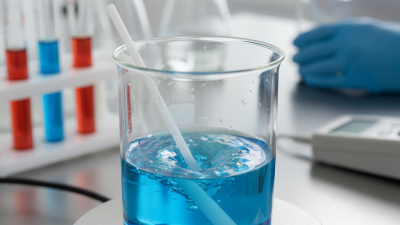
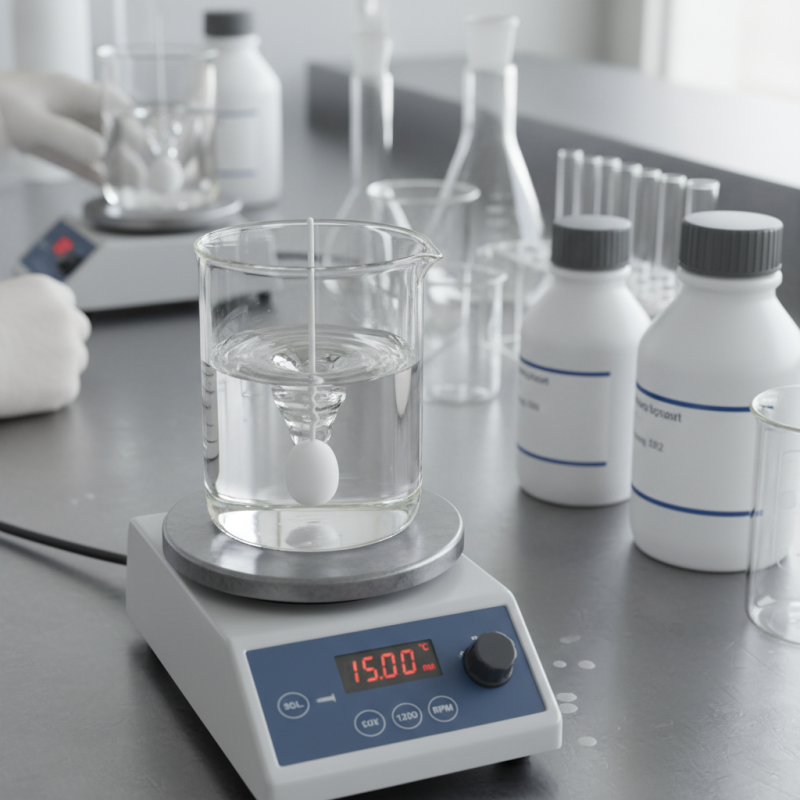
In chemistry and biology labs, these stir bars aid in mixing solutions uniformly. The PTFE coating ensures that the stir bar does not react with the substances. This is vital when working with sensitive compounds. Visualizing a lab setup, you may find a stir bar in a beaker filled with a brightly colored liquid. Watching it spin effortlessly can be quite satisfying.
However, not all PTFE coated stir bars are created equal. Some may not mix as effectively as others. This can lead to inconsistent results. Users should examine the specifications closely. The size and shape of the stir bar can affect performance. A long, slender bar might not stir efficiently in a small flask. Reflecting on your choices is essential for achieving reliable outcomes.
Factors to Consider When Choosing a PTFE Coated Magnetic Stir Bar
Choosing the right PTFE coated magnetic stir bar requires careful consideration. The size and shape of the stir bar are crucial. Longer stir bars provide better mixing in larger containers. However, they may not fit well in small vessels. For small samples, shorter stir bars are more effective. Think about your vessel's size before you decide.
Material is another important factor. PTFE is resistant to chemicals and high temperatures. This makes it suitable for most laboratory applications. However, look for a smooth surface. A rough surface can lead to uneven stirring. Always check if the stir bar has been manufactured under strict quality standards.
Tips: Always clean your stir bar after use. This prevents contamination in future experiments. Also, consider the magnetic strength. A stronger magnet can stir thicker solutions more effectively. Lastly, if you’re unsure about the size, it’s better to have multiple sizes on hand. This allows flexibility for different experiments and reduces the need for frequent replacements.
Different Sizes and Shapes of Magnetic Stir Bars Explained
Magnetic stir bars come in various sizes and shapes, each serving distinct purposes. A recent market analysis indicates that the standard sizes range from 20 mm to 80 mm in length. Shorter bars (20-40 mm) are ideal for small volumes, while longer ones are suited for larger containers. These size variations enhance mixing efficiency in different laboratory settings.
Shape plays a critical role in the performance of magnetic stir bars. The classic cylindrical shape is versatile and widely used. However, specialty shapes like oval and star can improve stirring efficiency. A study found that star-shaped bars can create more turbulent flow, leading to faster mixing in viscous liquids. Depending on your application, the choice of shape can greatly impact your results.
It’s essential to consider compatibility when selecting a stir bar. For instance, some PTFE coatings resist certain solvents better than others. Incompatibility can affect durability and performance. Additionally, the choice of stir bar may depend on factors such as the temperature and pressure of your experiments. Not every option will meet all your needs, and sometimes experimentation is necessary to find the optimal fit.
Evaluating Chemical Resistance and Temperature Tolerance of PTFE Coating
When selecting a PTFE coated magnetic stir bar, understanding its chemical resistance is crucial. PTFE offers excellent resistance to many reactive chemicals. However, not all PTFE coatings are equal. Some may degrade when exposed to strong acids or bases. Check the specifications provided by the manufacturer. This ensures the coating will withstand the specific substances you intend to mix.
Temperature tolerance is another critical factor. Many PTFE coated stir bars can handle high temperatures, typically up to 250°C. However, prolonged exposure may affect their longevity. You might notice discoloration or wear over time. It's also essential to consider your stirring speed. A high speed may create more heat, stressing the coating.
Consider your laboratory environment. If you work with corrosive substances at high temperatures, you may need a specialized stir bar. While many options exist, finding the right one often demands patience and research. Don't rush the decision. Mistakes in this area can lead to costly mishaps. Always evaluate your needs carefully.
Evaluating Chemical Resistance and Temperature Tolerance of PTFE Coated Magnetic Stir Bars
Maintenance and Care Tips for PTFE Coated Magnetic Stir Bars
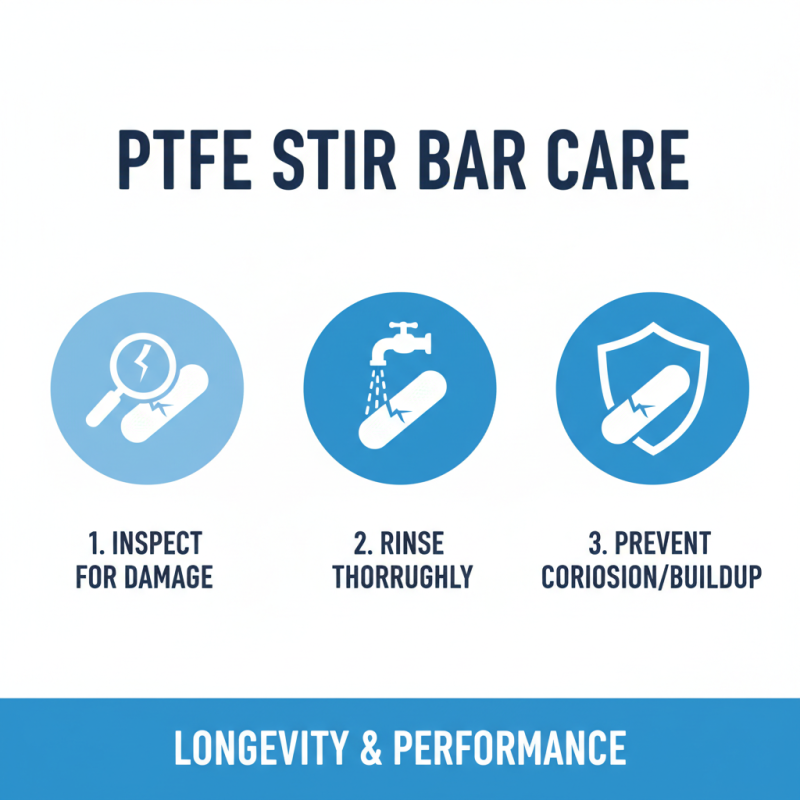
Maintaining a PTFE coated magnetic stir bar is essential for its longevity and performance. Regularly inspect the stir bar for scratches or wear. Even minor damage can affect its efficiency. Ensure you rinse the stir bar thoroughly after use, particularly if it has come into contact with corrosive substances. A simple rinse can help avoid any buildup that may interfere with future experiments.
When cleaning, avoid abrasive materials. They can scratch the PTFE surface, leading to cracks. Instead, use soft cloths or sponges. If stubborn residues remain, opt for mild detergent solutions. Always dry the stir bar completely before storage. This prevents moisture retention, which could cause mold over time.
Inspect the magnetic component too. It should rotate freely within the PTFE casing. A magnetic stir bar that doesn’t rotate properly may indicate a problem. Remember, replacing a stir bar is often more cost-effective than attempting repairs. Don't hesitate to replace it if it shows signs of significant wear. Regular maintenance will ultimately enhance the quality of your mixing processes.