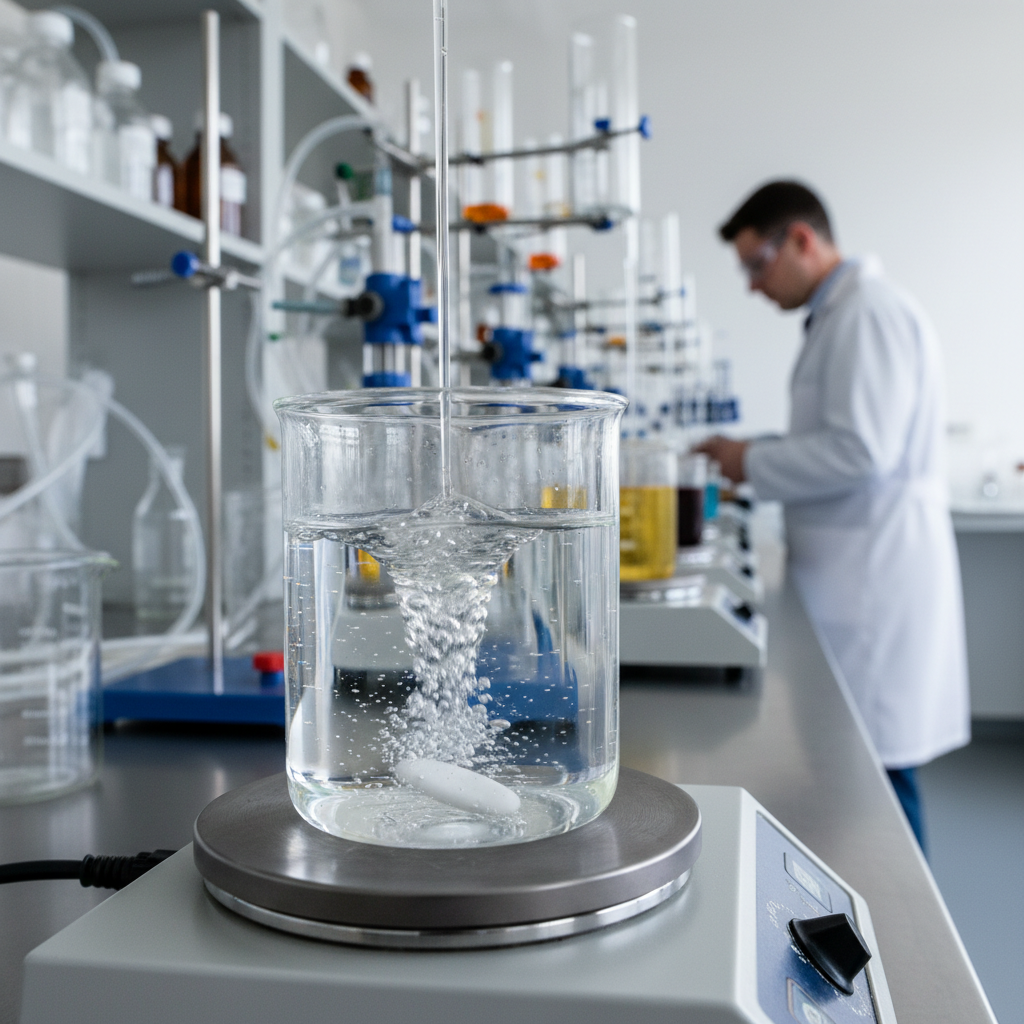
What is a Lab PTFE Magnetic Stir Bar and How It Enhances Lab Efficiency
In the fast-paced world of laboratory research and development, efficiency is paramount. The utilization of specialized tools can significantly enhance productivity, leading to more accurate results and streamlined processes. Among these essential tools is the Lab PTFE Magnetic Stir Bar, a device that has gained traction for its ability to facilitate uniform mixing in a variety of chemical and biological applications. According to recent industry reports, the global market for laboratory equipment is projected to reach $50 billion by 2025, largely driven by innovations that improve lab workflows and safety.
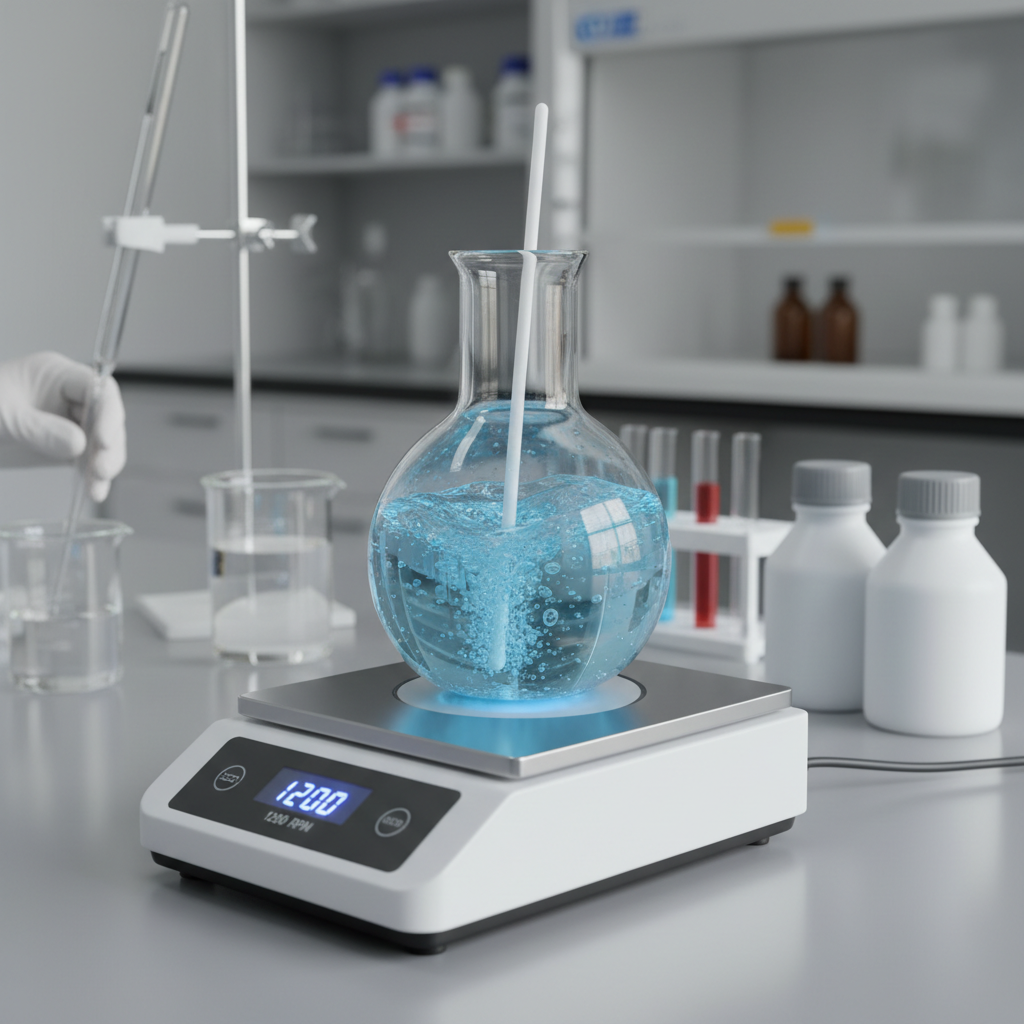 The Lab PTFE Magnetic Stir Bar stands out due to its chemical resistance and durability, particularly when handling corrosive substances. With its POLY tetrafluoroethylene (PTFE) coating, this stir bar not only ensures effective mixing but also prolongs equipment lifespan. Studies have shown that the efficiency of mixing can directly influence the reproducibility of experiments, underscoring the importance of choosing the right stirring solutions. As laboratories continue to adopt more sophisticated technologies, the demand for reliable stirring devices like the Lab PTFE Magnetic Stir Bar is expected to see a significant rise.
By integrating advanced stirring solutions, researchers can optimize their experiments while minimizing time and resource expenditure. This shift towards enhanced lab efficiency not only benefits individual projects but also contributes to overall advancements in scientific discovery and innovation. As we look towards 2025, the spotlight will increasingly shine on tools like the Lab PTFE Magnetic Stir Bar that help laboratories meet their evolving needs.
Understanding the Basics of PTFE Magnetic Stir Bars in Laboratory Settings
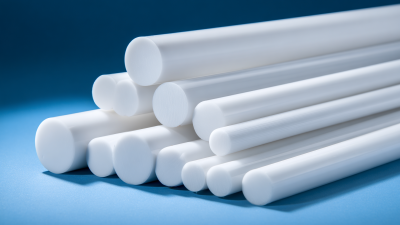
PTFE magnetic stir bars are essential tools in laboratory settings, designed to enhance mixing efficiency while minimizing the risk of contamination. Made from polytetrafluoroethylene (PTFE), these stir bars resist chemical corrosion and can withstand extreme temperatures, making them suitable for a wide range of applications.
According to a report by the American Chemical Society, effective mixing is crucial, as it can significantly improve reaction rates and product yields in chemical processes. The use of PTFE stir bars also contributes to cleaner workspaces, as they eliminate the need for traditional stirring tools that may introduce impurities.
The efficiency of PTFE magnetic stir bars is further evidenced by their ability to reduce mixing times. A study published in the Journal of Laboratory Automation found that the time required for homogeneous mixing using PTFE stir bars was reduced by up to 50% compared to manual stirring methods. This efficiency not only accelerates experimental processes but also allows researchers to allocate their time toward more critical tasks.
In addition, the inert nature of PTFE ensures that the stir bars do not interact with the solutions being mixed, leading to more reliable and reproducible results. As laboratories continue to seek optimization methods, PTFE magnetic stir bars stand out as key instruments in modern scientific research.
Key Features of Lab-Grade PTFE Magnetic Stir Bars for Enhanced Performance
Lab-grade PTFE magnetic stir bars are essential tools that significantly enhance laboratory efficiency through their unique properties and advanced design. One of the key features of these stir bars is their non-reactive nature, thanks to the use of polytetrafluoroethylene (PTFE) material. This chemical resistance ensures that they can be used in a variety of environments without contaminating the solutions being stirred, making them ideal for sensitive experiments.
Another important aspect of lab-grade PTFE magnetic stir bars is their superior durability. The smooth surface of PTFE allows for easy cleaning and maintenance, while its robust construction resists wear and tear even under continuous use. Additionally, these stir bars are designed to create strong magnetic fields, resulting in efficient mixing and consistent temperature maintenance across samples. This enhanced performance not only speeds up experimental processes but also improves reproducibility, a critical factor in scientific research.
The Role of Magnetic Stir Bars in Streamlining Lab Processes
Magnetic stir bars play a pivotal role in streamlining laboratory processes by providing an efficient means of mixing solutions.
In many laboratory settings, especially during tasks such as concentration, desalting, and buffer exchange, achieving a uniform mixture is essential.
Traditional stirring methods can be cumbersome and require constant monitoring, which can increase the time and effort needed to obtain reliable results.
Magnetic stir bars simplify this by allowing chemists to set their samples in motion without manual intervention, freeing them to focus on other critical aspects of their experiments.
Additionally, advancements in laboratory equipment have led to the development of innovative stirrers that address common challenges faced by researchers.
For instance, modern solutions may incorporate user-friendly interfaces and improved features for monitoring solution properties, ensuring that chemists can efficiently and accurately assess their experiments.
This level of efficiency not only enhances productivity but also minimizes the chances of errors during experiments, ultimately fostering a more streamlined workflow in laboratories.
As laboratories continue to seek ways to optimize their processes, the role of magnetic stir bars remains central to improving operational efficiency.
Advantages of Using PTFE Material in Magnetic Stir Bars for Chemical Reactions
PTFE (Polytetrafluoroethylene) magnetic stir bars have become essential tools in laboratories for their efficiency in facilitating chemical reactions. The chemical inertness of PTFE allows these stir bars to withstand aggressive solvents and acids, making them ideal for a wide range of applications. According to a recent market analysis, the demand for non-reactive materials in laboratory equipment has surged by 15% over the past two years, highlighting the importance of using PTFE in ensuring accurate and reliable experimental outcomes.
One significant advantage of PTFE is its ability to provide a non-stick surface, which minimizes product adhesion and contamination during stirring. This feature not only enhances the purity of chemical reactions but also reduces the time spent on cleaning the stir bars post-experiment, ultimately leading to a more streamlined workflow. Research shows that laboratories incorporating PTFE magnetic stir bars can reduce cleaning time by up to 30%, allowing scientists to focus more on research and development.
Tips: Always ensure the size of the stir bar is appropriately matched to the volume of the solution being stirred for optimal mixing efficiency. Additionally, avoid excessive heat when using PTFE stir bars, as higher temperatures can lead to deformation over time.
What is a Lab PTFE Magnetic Stir Bar and How It Enhances Lab Efficiency
| Feature |
Description |
Advantage |
| Material |
PTFE (Polytetrafluoroethylene) |
Chemical Resistance |
| Shape |
Bar shape designed for optimal stirring |
Improved Mixing Efficiency |
| Temperature Resistance |
Can withstand temperatures up to 200°C |
Versatile for Various Experiments |
| Weight |
Lightweight design |
Easy to Handle |
| Surface Finish |
Smooth, non-stick surface |
Easy Cleanup |
| Magnet Type |
Strong permanent magnets |
Reliable Stirring Performance |
Best Practices for Utilizing PTFE Magnetic Stir Bars to Maximize Lab Efficiency
PTFE magnetic stir bars are essential tools in laboratories, offering efficient mixing solutions for a variety of chemical and biological processes. To maximize their effectiveness, it's vital to follow best practices during their use. Firstly, selecting the appropriate size stir bar for your container ensures optimal mixing. Using a stir bar that is too small can lead to ineffective mixing, while one that is too large can cause uneven vortexing and potential damage to the container.
Another key practice involves maintaining the cleanliness of the PTFE stir bars. Regular cleaning prevents contamination of samples and maintains the integrity of experiments. After each use, rinse the stir bars thoroughly with distilled water and, if necessary, wash them with a mild detergent to remove any residual substances. Additionally, it's advisable to assess the magnetic properties regularly to ensure that the stir bar rotates smoothly and efficiently, as wear and tear over time may affect its performance. Following these best practices will enhance the efficiency of lab operations significantly, ensuring consistent and reliable results in various experiments.
Efficiency of PTFE Magnetic Stir Bars in Laboratory Settings