Best PTFE Mixing Plug Uses and Benefits Explained?
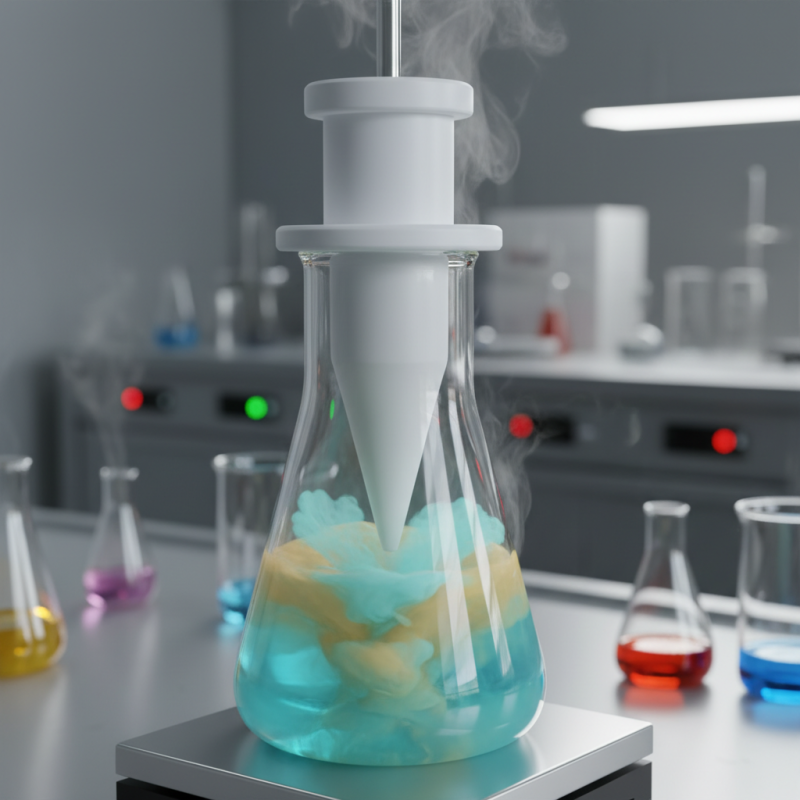
The PTFE Mixing Plug is gaining popularity in various industries. This innovative product offers unique benefits for mixing applications. It provides a reliable solution for ensuring homogeneous mixtures.
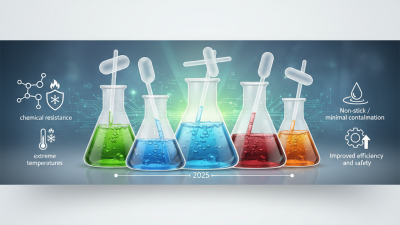
One of the key advantages of the PTFE Mixing Plug is its chemical resistance. Made from polytetrafluoroethylene, it withstands harsh environments. Whether in laboratories or industrial settings, this plug excels at preventing contamination. However, it's essential to ensure it fits snugly to avoid leaks.
Another important aspect is its durability. The PTFE Mixing Plug can handle high temperatures and pressures. Users often appreciate the longevity it brings to mixing processes. On the flip side, it's crucial to remember that improper use could lead to performance issues. Ensuring proper maintenance is vital for achieving the best results.
Overview of PTFE Mixing Plugs and Their Composition
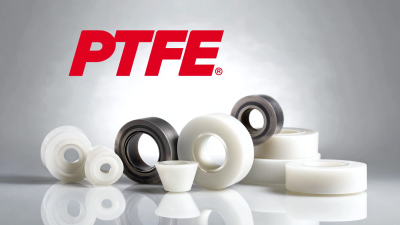
PTFE mixing plugs have become essential in various industries due to their advanced properties. These plugs are made from polytetrafluoroethylene (PTFE), a substance known for its remarkable chemical resistance and low friction. This unique composition allows them to function well in high-temperature environments without degrading. Unlike other materials, PTFE does not react with most chemicals, making it an ideal choice for mixing applications.
Using PTFE mixing plugs can enhance efficiency. They provide a perfect seal that prevents contamination and ensures consistency during mixing. Their lightweight nature adds to their usability in different settings. However, one must be cautious with their installation. Improper handling can lead to leaks or ineffective mixing. This highlights the importance of proper training and awareness in using these components effectively.
While PTFE plugs offer many benefits, they aren't flawless. For instance, they can be more expensive than traditional materials. This can create budgetary concerns for some operations. Careful consideration is needed when choosing the right mixing plug for specific applications. Balancing cost and performance is crucial for optimal results.
Best PTFE Mixing Plug Uses and Benefits Explained
| Dimension |
Description |
Benefits |
| Material |
PTFE (Polytetrafluoroethylene) |
Chemical resistance, low friction |
| Temperature Resistance |
-200°C to 260°C |
Suitable for extreme temperature applications |
| Application Area |
Chemical processing, pharmaceuticals, food industry |
Versatile use in diverse industries |
| Design Variety |
Various shapes and sizes |
Customizable to fit specific applications |
| Maintenance |
Low maintenance requirements |
Cost-effective in the long run |
| Safety |
Non-toxic and chemically inert |
Safe for contact with food and pharmaceuticals |
Key Benefits of Using PTFE Mixing Plugs in Various Industries
PTFE mixing plugs have become essential in various industries due to their unique properties. These plugs are resistant to chemicals and high temperatures, making them ideal for tough environments. In laboratories, they prevent contamination during mixing processes. Their non-stick nature ensures that materials flow smoothly without any residue.
Another significant benefit is their durability. Unlike rubber or plastic, PTFE plugs last longer and require less frequent replacement. This longevity saves costs in the long run. However, some users find them challenging to install properly, leading to leaks. Proper training on installation techniques can help mitigate this issue.
In the food and pharmaceutical industries, hygiene is critical. PTFE mixing plugs meet rigorous standards for cleanliness. They are easy to clean and sterilize, which minimizes contamination risk. Yet, users must still be cautious, as improper handling can lead to cross-contamination. Understanding the specific needs of each application is vital for maximizing the benefits of PTFE mixing plugs.
Benefits of Using PTFE Mixing Plugs in Various Industries
The chart above illustrates the benefits of using PTFE mixing plugs across various industries on a scale from 1 to 10. The chemical industry shows the highest perceived benefits due to PTFE's excellent chemical resistance, followed by pharmaceuticals and food processing where the purity and stability of the materials are essential.
Common Applications of PTFE Mixing Plugs in Chemical Processes
PTFE mixing plugs play a crucial role in various chemical processes. These versatile components are often found in industries where safety and efficiency are paramount. Their chemical resistance allows them to withstand diverse substances, making them ideal for mixing aggressive chemicals. With a high tolerance to extreme temperatures, they can perform well under pressure.
Common applications include use in mixers and reactors. In laboratories, PTFE mixing plugs are essential for ensuring homogenous mixtures. They minimize contamination risks due to their non-reactive nature. Additionally, they provide easy clean-up, saving valuable time in busy environments. However, improper handling can lead to wear and compromise performance. Regular inspections are needed to maintain their efficiency and safety.
In manufacturing, they aid in the blending of pharmaceuticals and food products. These plugs ensure consistent product quality and adherence to safety standards. Yet, it's essential to recognize that not all processes may benefit equally from PTFE mixing plugs. Some operations might require alternative materials for optimal outcomes. Understanding the right applications is key to leveraging their full potential.
Comparison of PTFE Mixing Plugs with Other Mixing Solutions
PTFE mixing plugs stand out in laboratory and industrial applications due to their unique chemical resistance. Unlike traditional rubber or plastic mixers, PTFE plugs resist high temperatures and aggressive solvents. This makes them indispensable for various chemical processing tasks.
When comparing PTFE mixing plugs with other mixing solutions, their durability is significant. A 2022 industry report highlighted that PTFE components endure extreme conditions better than most alternatives. This results in fewer replacements and less downtime. Additionally, they minimize contamination risks. Their smooth surface prevents adherence of residues, unlike other materials which can absorb chemicals.
Tips: Ensure proper compatibility when selecting a plug. Testing in small volumes first can save resources. Despite their durability, PTFE plugs are not immune to wear over time. Regular inspections can prevent unexpected failures.
Considering costs, PTFE plugs may have a higher initial price. Yet, their longevity can lead to long-term savings. Businesses often underestimate the efficiency PTFE plugs bring. Balancing cost and performance is essential.
Best Practices for Maintaining and Utilizing PTFE Mixing Plugs
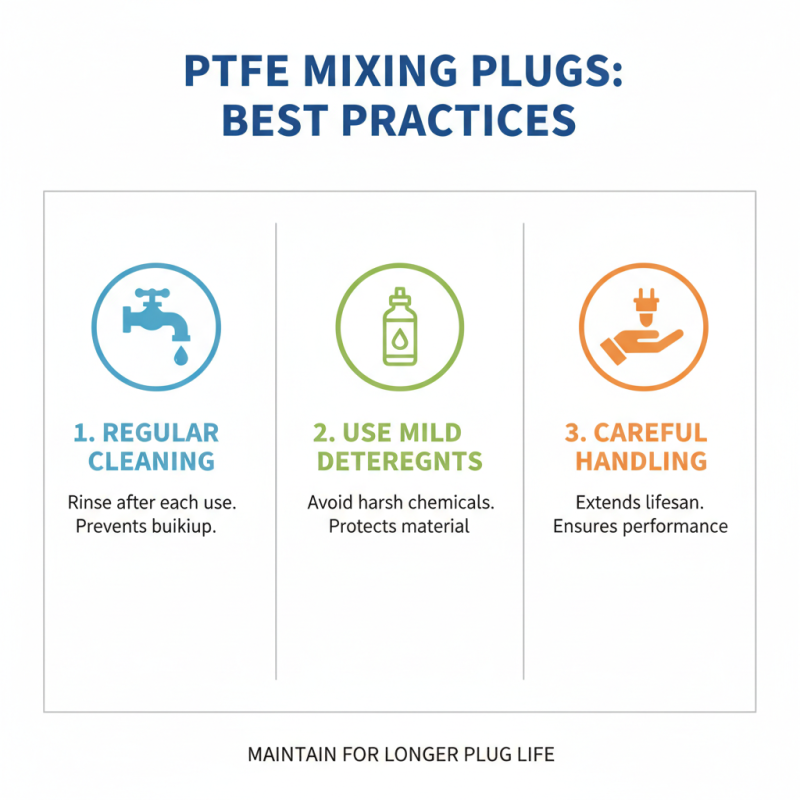
When it comes to using PTFE mixing plugs, proper maintenance is key. Regular cleaning is essential. Rinse the plugs after each use to remove any residue. This prevents buildup that can affect performance. Use mild detergents for cleaning. Harsh chemicals can degrade the material, leading to failures. With careful handling, these plugs can last significantly longer.
Storage is another crucial aspect. Keep PTFE mixing plugs in a cool, dry place. Avoid exposure to extreme temperatures and direct sunlight. This can help maintain their integrity. Inspect them regularly for any signs of wear or damage. Sometimes, we overlook minor cracks or signs of fatigue. Noticing these early can save time and resources later.
Using the right technique during operation is also important. Ensure the plugs are securely fitted. Loose plugs can lead to leaks and inefficiencies. Pay attention to mixing speeds. High speeds may require different considerations. It's easy to assume one method fits all, but that's not always the case. Take time to reflect on the best practices for your specific applications.