10 Tips for Choosing the Right Lab Ptfe Magnetic Stirrer Bar?
When selecting a Lab Ptfe Magnetic Stirrer Bar, understanding your specific needs is crucial. The global lab equipment market is expected to grow at a CAGR of 4.2%, reaching $38 billion by 2025. This growth signals the importance of selecting high-quality components like magnetic stirrer bars for effective laboratory procedures.
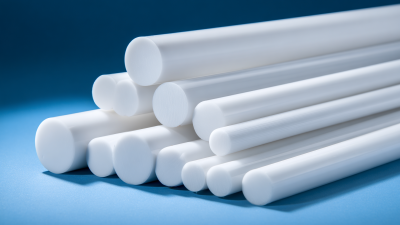
Magnetic stirrer bars made of PTFE (Polytetrafluoroethylene) offer unique benefits. They resist chemical corrosion and provide a smooth stirring experience. A report from Research and Markets highlights that over 50% of lab professionals consider durability as a key factor. This demonstrates that choosing the right Lab Ptfe Magnetic Stirrer Bar can significantly impact experimental outcomes.
However, many still struggle with basic selection criteria. The wrong size or material can lead to inefficient stirring or contamination. Ensuring the right fit and function requires careful consideration of both requirements and available options. Lab technicians should continuously evaluate their choices to enhance accuracy and reliability in their work.
Understanding the Role of PTFE Magnetic Stirrer Bars in Laboratories
When working in a laboratory, the PTFE magnetic stirrer bar serves a crucial role. It creates uniform mixing in various solutions. The material, PTFE, is known for its chemical resistance. This makes it ideal for experiments involving strong acids and bases. The magnetic stirrer bar can withstand high temperatures, adding to its versatility.
Selecting the right stirrer bar requires careful consideration. The size and shape of the bar impact mixing efficiency. A bar that is too small may not create sufficient agitation. Conversely, a larger bar could be inappropriate for smaller vessels. Compatibility with your stirrer is also essential. A mismatch can lead to ineffective stirring or even damage.
Not all PTFE stirrer bars perform equally. Some options may wear down faster under certain conditions. Regular assessments are necessary to ensure optimal performance. You might find that a stirrer bar loses its magnetism over time. This could mean it needs replacement sooner than expected. Observing behavior during experiments can prevent bigger issues.
Key Factors to Consider When Selecting a PTFE Magnetic Stirrer Bar
Choosing the right PTFE magnetic stirrer bar is crucial for successful lab applications. One of the key factors to consider is the size of the stirrer bar. It should match the dimensions of your container. If it's too small, it may not create sufficient turbulence. If it's too large, it could be difficult to remove after use.
Another important factor is the shape of the stirrer bar. Different shapes, like cylindrical or oval, offer varied stirring efficiencies. For example, an oval bar can be more effective in round-bottom flasks. Testing different shapes might reveal better performance for your specific needs.
Additionally, consider the PTFE coating quality. High-quality PTFE ensures better resistance to chemicals and heat. A reliable stirrer bar won't corrode or wear down easily. Checking user reviews and lab experiences can guide you in making an informed choice. Crafting the perfect lab setup involves trial and error, and reflection on past experiences will lead to improved outcomes. Selecting the right stirrer bar isn’t merely a task; it's a vital step toward successful experiments.
Evaluating Size and Shape for Optimal Mixing Performance
Choosing the right PTFE magnetic stirrer bar involves careful consideration of size and shape. These factors greatly influence mixing performance. A stirrer bar's length should match the vessel's diameter. Too long a bar may cause turbulent mixing. Too short can lead to ineffective stirring. Consider the volume of liquid being mixed; this will dictate the appropriate stirrer dimensions.
Shape also plays a crucial role. Classic shapes, like cylindrical or oval, provide consistent motion. Experimentation is often necessary to find the ideal shape. Some labs prefer specialized designs for unique applications. A stirrer bar that is too heavily weighted can cause unwanted stress on the motor. Always evaluate the design in relation to your specific mixing needs.
When selecting a stirrer bar, assess the liquid's viscosity. Thicker liquids require larger, more robust bars. A bar that is too small may fail to achieve a homogeneous mixture. Recognition of these variables enhances overall results. Monitor your mixing process to adjust stirrer conditions as necessary. Optimize your setup for the best laboratory outcomes.
Material Compatibility: Choosing the Right PTFE for Your Applications
Choosing the right PTFE for your magnetic stirrer bar is crucial for optimal performance. The material’s compatibility with various chemicals can significantly impact your experiments. PTFE, or polytetrafluoroethylene, is known for its excellent resistance to many substances. However, not all PTFE grades work well in every scenario.
When selecting PTFE, consider its thermal stability. Some applications require high temperatures, while others do not. Incorrect material choice can lead to degradation. Understanding the specific reagents you’ll use is essential for avoiding reactions that may compromise your results. It’s also worth noting that while PTFE is generally inert, certain aggressive solvents may still cause unexpected reactions.
Always evaluate your application's unique needs. This requires a careful assessment of chemical compatibility. Consult reliable resources or experts when in doubt. Ignoring this step can lead to equipment failure or inaccurate readings. A thorough investigation into material properties often pays off in the long run. Consider potential risks and enjoy a more effective lab environment.
Tips for Maintenance and Longevity of Magnetic Stirrer Bars
When it comes to maintaining magnetic stirrer bars, proper care can extend their lifespan significantly. A recent report from the American Laboratory Society indicated that 30% of stirrer bar failures are linked to improper use or neglect. Regular inspection for wear and tear is crucial. Ensure that the bar’s surface remains smooth and free from corrosion. Any roughness can lead to inefficient stirring and eventual damage.
Cleaning your stirrer bars after each use is essential. Rinse them with distilled water to remove any residual chemicals. Avoid using abrasive materials, as this can scratch the surface. Residue buildup over time can affect performance. For persistent stains, a gentle cleaning solution can be effective. Proper storage is equally important. Keep them in a designated space, away from competitive magnetic fields.
Consider these practical tips for maintenance. Always handle your stirrer bars carefully. Dropping them may lead to chips or cracks. Inspect the magnetic core regularly. A misaligned core can cause uneven stirring, reducing efficiency. Lastly, document usage patterns. Tracking performance can reveal early signs of wear. Addressing issues promptly can prevent costly replacements.