Ultimate Guide with 10 Tips for Using PTFE Stir Bars Retriever
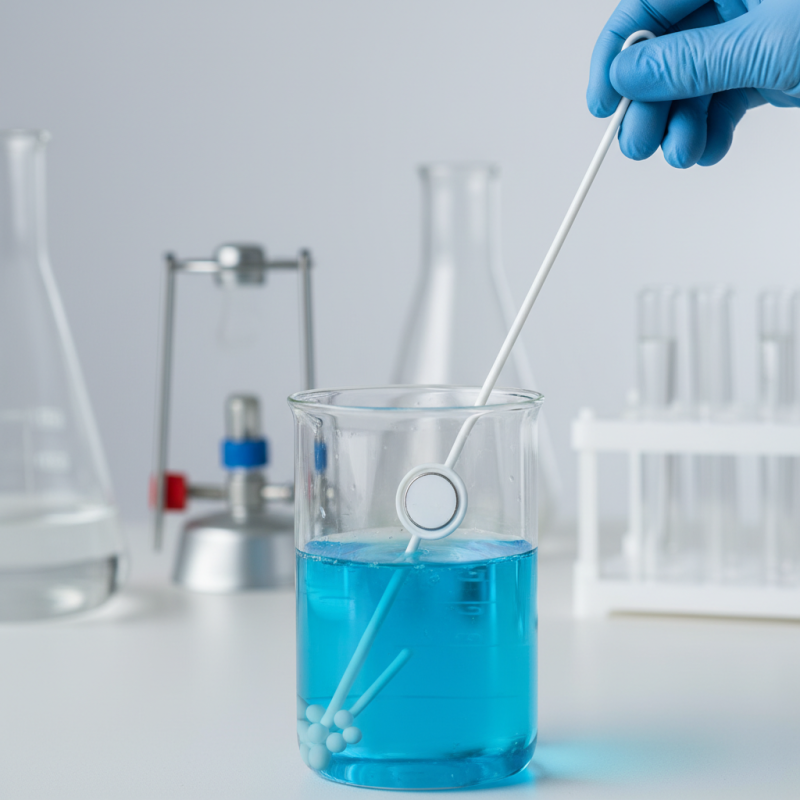
In the world of laboratory equipment, PTFE stir bars retrievers play a vital role. These tools help researchers efficiently remove stir bars from containers. However, using a PTFE stir bars retriever requires attention and care.
Many researchers underestimate the importance of these tools. A small mistake can lead to lost stir bars or contamination. Choosing the right retriever is essential. It can make a difference in efficiency and safety. The process might seem straightforward, but challenges often arise.
In our ultimate guide, we explore 10 tips for mastering the use of PTFE stir bars retrievers. From understanding the materials to practical techniques, each tip will enhance your skills. Remember, even experienced scientists must reflect on their methods. Embracing improvement is key to success in the lab.
Understanding PTFE Stir Bars and Their Benefits
PTFE stir bars are essential tools in laboratories. They are designed to facilitate stirring in various liquids without contaminating the samples. Their non-reactive nature makes them ideal for many applications. The benefits are clear: they resist chemicals and offer durability in numerous experiments.
Using PTFE stir bars can enhance your workflow. Here are some tips to ensure you get the best results. Choose the right size stir bar for your container; a large bar in a small flask may not spin effectively. Be mindful of the speed settings. Too high a speed can lead to splashing or bar hopping.
Cleanliness is crucial. Always inspect your stir bars for residue after use. A dirty bar can introduce impurities in your next experiment. Regular cleaning maintains the effectiveness of the stir bars. An overlooked point is storage; keeping them in proper cases can prevent damage and contamination. With these practices, you'll maximize the advantages of PTFE stir bars while minimizing common pitfalls in their use.
Choosing the Right PTFE Stir Bar for Your Applications
Choosing the right PTFE stir bar is crucial for effective mixing in various applications. When selecting a stir bar, consider the size and shape. A longer bar can provide better stirring for larger volumes. However, it may not fit well in smaller containers. Choosing the wrong size might lead to inefficiency.
Also, think about the chemical compatibility of the PTFE stir bar with your reagents. Although PTFE is generally resistant, some conditions may lead to unexpected reactions. Ensure that the stir bar can withstand high temperatures or strong chemicals. This step is vital; otherwise, it can compromise your experiment.
Do not overlook the importance of magnetic strength. A weak stir bar may not generate enough force, leading to suboptimal mixing. Check if the strength aligns with your stirring needs. Lastly, consider how easy the stir bar is to clean. Maintenance can be tedious, and a stir bar that retains residues can affect future experiments. Always reflect on how each choice impacts your workflow.
Usage of PTFE Stir Bars in Various Applications
Effective Techniques for Using PTFE Stir Bars
When using PTFE stir bars, effective techniques can significantly enhance your mixing efficiency. One fundamental concept is to ensure optimal magnet placement within your stirrer. Data from recent industry reports indicate that incorrect positioning can lead to reduced stirring effectiveness by as much as 30%. This highlights the importance of precise alignment for achieving balanced mixing and reducing uneven distributions.
Another technique involves selecting the appropriate size and shape of the PTFE stir bar. Smaller stir bars are often less effective in larger volumes, causing inefficient mixing. Research shows that using the correct size can improve stirring times by 25% in some cases. Additionally, underestimating the viscosity of the solution can lead to inadequate stirring, requiring you to rethink the chosen bar dimensions.
Maintaining a clean working environment is also crucial. Contamination can disrupt the mixing process and affect the reaction yield. Regularly checking for wear and tear on your stir bars is essential. A worn stir bar might not provide the intended mixing effect. Assessing its condition periodically can save both time and resources in the long run. Always reflect on the stir bar’s performance to ensure its effectiveness in your experiments.
Cleaning and Maintaining PTFE Stir Bars for Longevity
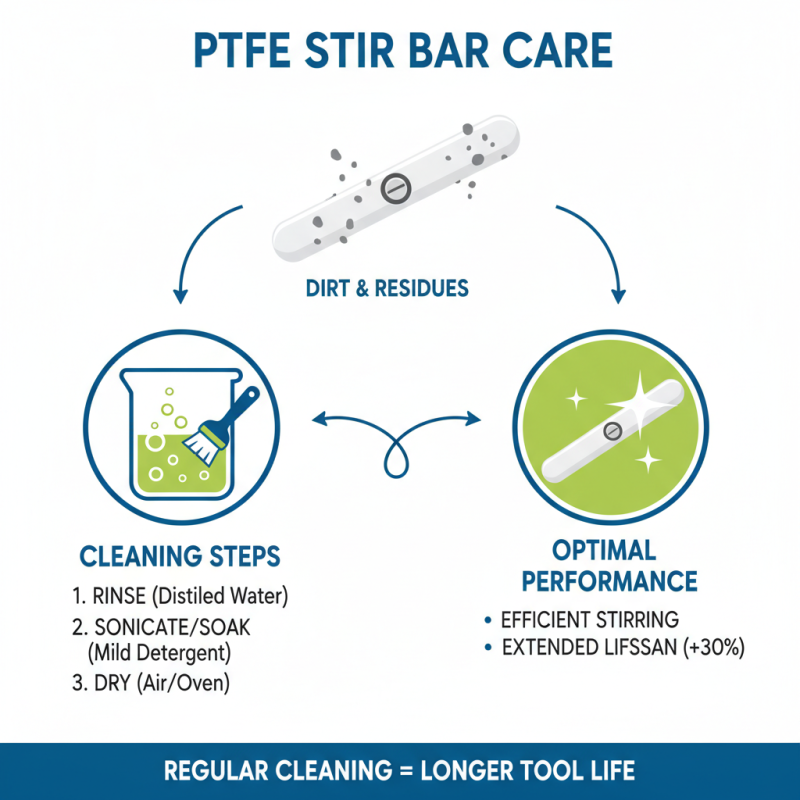
Cleaning and maintaining PTFE stir bars is essential for optimal performance. PTFE is resistant to many chemicals, which makes it ideal for lab environments. However, it is not invincible. Dirt and residues can accumulate, affecting stir efficiency. A study noted that regular cleaning can extend the lifespan of these tools by up to 30%.
Using a simple soap solution for cleaning can be effective. You can soak the stir bars for a few minutes. A soft brush also works well for removing stubborn residues. It’s essential to rinse thoroughly afterward. Keep in mind that some solvents may degrade the PTFE. Avoid using harsh chemicals during maintenance. Regular inspections are critical. Check for scratches or wear. These can impact mixing quality. A damaged stir bar can lead to inconsistent results in experiments.
Proper storage is often overlooked. Storing PTFE stir bars in a clean, dry place will help retain their quality. However, if you stack them carelessly, scratches may occur. It is wise to wrap them in soft cloth or place them in padded containers. Maintaining PTFE stir bars is not just about cleaning; it's about ensuring their effective operation for the long haul. Attention to detail in cleaning and storage can significantly enhance their performance in the lab.
Safety Considerations When Using PTFE Stir Bars in the Lab
When using PTFE stir bars in the lab, safety should always come first. These stir bars are effective but can pose risks if mishandled. Always wear appropriate personal protective equipment (PPE), such as gloves and goggles. Spills can occur during stirring, so ensure that your workspace is organized. This reduces the chances of accidents and injuries.
Tip: Ensure proper handling of the stir bars. They can be slippery when wet, making them easy to drop. Consider using a retrieval tool to prevent any loss in the mixture.
Another critical safety consideration is to avoid overheating. PTFE can degrade at high temperatures. Monitor the temperature carefully during experiments. This prevents any potential release of harmful fumes. Also, consider using barriers such as spill trays.
Tip: Collaborate with colleagues for safety checks. Different perspectives can unveil overlooked hazards. Discuss your procedures and receive feedback on potential risks. Engage in safety drills regularly to enhance preparedness.
Recognizing your limits is essential. If unsure, consult safety data sheets or from experienced lab personnel. Regular reflections on lab practices can enhance safety protocols considerably.