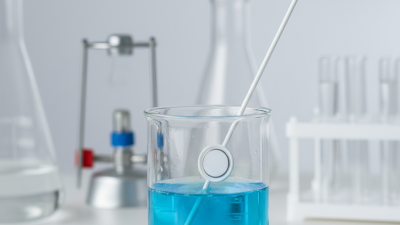
In the world of laboratory equipment, the Lab Ptfe Magnetic Stirrer Bar stands out as an essential tool for precise mixing. Dr. Emily Johnson, a leading expert in laboratory technologies, once stated, "The efficacy of experiments often hinges on the quality of mixing." This underscores the importance of having reliable equipment like the Lab Ptfe Magnetic Stirrer Bar.
This versatile tool is designed to create a uniform mixture, promoting consistent results in various applications. From chemistry labs to pharmaceutical research, researchers rely on its efficiency. However, selecting the right stirrer bar can raise numerous questions. Common concerns include optimal sizes, magnetic strength, and temperature resistance.
Navigating these queries can be challenging, as many factors influence performance. Users may grapple with understanding compatibility with their existing equipment. Occasionally, stirrer bars might not deliver expected results, leading to frustration. Addressing these aspects is crucial for laboratory practitioners seeking to maximize their investment in the Lab Ptfe Magnetic Stirrer Bar.
PTFE magnetic stirrer bars are vital tools in laboratories. They aid in mixing solutions effectively without contaminating them. Understanding their functionality helps users maximize their potential. The polytetrafluoroethylene (PTFE) coating offers chemical resistance. This makes it perfect for a range of solutions, from acids to organic solvents.
Tips: Choose the right size of stirrer bar for your flask. A bar that is too small may not mix effectively. Consider the volume of liquid being stirred. Adjust the stirring speed based on the viscosity of the solution. A slower speed is better for thick mixtures.
These stirrer bars can sometimes present challenges. They may stall if not properly balanced or if too many solids are present. Users must pay attention to the shape of the stirrer. Regular cleaning of stirrer bars is essential to maintain their efficiency. Contaminants can build up and affect performance. By understanding these nuances, lab technicians can enhance their workflows significantly.
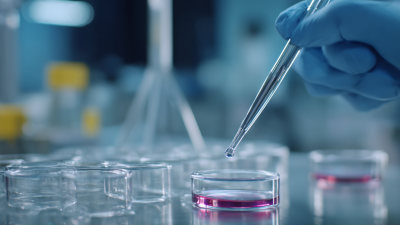
When selecting PTFE magnetic stirrer bars, the choice of materials is critical. Polytetrafluoroethylene (PTFE), known for its non-reactive qualities, is often used. This material can withstand a wide range of temperatures and chemicals. Its smooth surface allows for effortless stirring and minimizes contamination risks.
Another important material is stainless steel. Often used for the internal core, it provides durability. The combination of PTFE and stainless steel enhances overall performance. This blend allows for effective mixing in diverse applications, including pharmaceuticals and chemicals.
However, it's essential to recognize that not all PTFE stirrer bars are created equal. Variations in manufacturing processes can result in differences in quality. Some bars may not achieve the desired magnetic field strength. Regular use can also lead to wear over time. Users must consider these factors when selecting stirrer bars for specific applications. Proper evaluation of materials ensures reliable and effective performance in the lab.
Magnetic stirrer bars made from PTFE offer several key advantages in laboratory settings. PTFE is known for its chemical resistance, making it ideal for various experiments involving aggressive solvents. Researchers often choose PTFE stirrer bars to handle acidic and basic solutions without worrying about contamination. This helps maintain the integrity of the samples being tested.
Another significant benefit is the non-stick nature of PTFE. This property ensures that the stirrer bars do not adhere to the vessel walls. Lab personnel can easily retrieve the bars after use, saving time and effort. This characteristic also reduces the risk of sample loss during experiments, enhancing accuracy. However, it’s worth noting that PTFE stirrer bars can be prone to scratches if mishandled. Proper care and handling are essential, as damaged bars might impact performance.
Additionally, PTFE stirrer bars perform well in high-temperature applications. Laboratories often require stirring at elevated temperatures, and PTFE can handle this without degrading. Yet, it’s crucial to keep in mind that prolonged exposure to extreme conditions can wear out the stirrer bars over time. Regular inspections can help identify wear and ensure consistent results.
| Question | Answer | Key Advantages |
|---|---|---|
| What is a PTFE magnetic stirrer bar? | A stirring device coated with Polytetrafluoroethylene (PTFE) for chemical resistance. | Chemical resistance, durability, and non-stick properties. |
| Why use PTFE over glass or plastic stirrers? | PTFE offers superior chemical resistance and is less reactive. | Extended lifespan and reduced risk of contamination. |
| Can PTFE stirrer bars withstand high temperatures? | Yes, they can generally withstand temperatures up to 260°C. | High thermal stability without degradation. |
| Are PTFE magnetic stirrer bars safe for all types of solutions? | Yes, they are safe for a wide range of solutions including acidic and basic ones. | Versatility in various chemical environments. |
| How do you clean PTFE stirrer bars? | They can be washed with a suitable solvent or detergent depending on the residue. | Easy to clean, preventing contamination. |
| What sizes are available for PTFE magnetic stirrer bars? | They are available in various sizes, typically ranging from 1 inch to several inches long. | Customization for different laboratory needs. |
| Do PTFE stirrer bars affect the viscosity of solutions? | No, they do not interact chemically or physically with the solutions. | Maintains solution integrity during mixing. |
| What is the lifespan of a PTFE magnetic stirrer bar? | They can last for many years if properly maintained. | Cost-effective and long-lasting solution. |
| Can PTFE magnetic stirrer bars be used in vacuum applications? | Yes, they work effectively under vacuum conditions. | Enhances lab process versatility. |
| Are there any limitations to using PTFE magnetic stirrer bars? | They may be less effective in very viscous liquids. | Considerations necessary for certain high-viscosity applications. |
Maintaining magnetic stirrer bars is crucial to ensuring optimal performance in laboratory settings. The efficiency of these stirrers can significantly impact experimental outcomes. According to a report from the American Institute of Chemical Engineers, consistent maintenance can improve stirring efficiency by up to 30%. Regular cleaning is essential. Residue buildup can lead to ineffective stirring and contamination.
One common oversight is the choice of materials for magnetic stirrer bars. Many labs use PTFE bars due to their chemical resistance. However, it's important to inspect them regularly for signs of wear. Cracks or chips can hamper functionality and lead to inaccurate results. Even minor damage can affect stirring speed and homogeneity in solutions. Proper storage also matters. Keeping stirrer bars in a clean, dry environment helps prevent degradation.
Monitoring the magnetic field is vital. If the field is not stable, it can lead to inconsistent stirring. Periodic calibration of the magnetic stirrer is recommended. It’s also worth noting that not all stirrer bars perform equally. Variances in size and shape can affect mixing efficiency. Rethinking your lab's choice of stirrer bars and their maintenance strategies can lead to significant improvements in experimental accuracy.
This chart illustrates the average performance metrics of magnetic stirrer bars in different laboratory applications based on user feedback. The data includes the effectiveness of stirring, durability, and ease of cleaning for various types of stirrer bars.
Magnetic stirrer bars are essential tools in laboratories. Many users wonder about their efficiency and how to enhance it. Frequency of use is a common concern. For optimum performance, ensure the stirrer bar is the right length and weight for your container. A mismatched bar can lead to suboptimal mixing.
Another issue is the material of the stirrer. PTFE-coated bars are popular due to their chemical resistance. However, some users report that they lose magnetic properties over time. Regular checks can help determine their effectiveness.
Moreover, temperature and viscosity of the solution impact stirring efficiency. Thick solutions can slow mixing, requiring stronger magnets. Reflecting on these factors can lead to a better understanding of your equipment. Experiment with different materials and sizes to find what truly works best for your lab needs.