Leave Your Message

2026 Best PTFE Coated Magnetic Stir Bar for Labs?

Selecting a Ptfe Coated Magnetic Stir Bar involves more than choosing a length and dropping it into a beaker. The coating must resist the working chemicals, while the magnetic core must couple reliably with the stirrer. In practice, a bar that spins smoothly in water may wobble in a viscous solution or lose its grip in a narrow vessel. Small details matter.

The wider market offers useful context, but not a direct product ranking. Grand View Research estimated the global laboratory equipment market at USD 37.6 billion in 2023 and projected 7.5% compound annual growth from 2024 to 2030. This is a broad category, not a forecast for stir bars. Still, it reflects sustained investment in laboratory tools and makes careful purchasing more relevant. A market report cannot tell you whether a specific bar will stay centered in your flask.

This guide compares practical selection factors for 2026, including coating integrity, bar shape, vessel size, and stirring speed. It also considers cleaning and inspection, because scratches or chipped coating can compromise a bar’s usefulness. Check the manufacturer’s chemical compatibility guidance, then test the bar under your actual conditions. There is no universal winner. A compact oval may suit a small vial, while a longer pivot-ring bar may perform better in a larger vessel. Product descriptions rarely show every limitation. Bench testing remains essential.
2026 Best PTFE Coated Magnetic Stir Bar for Labs?

What Is a PTFE-Coated Magnetic Stir Bar?

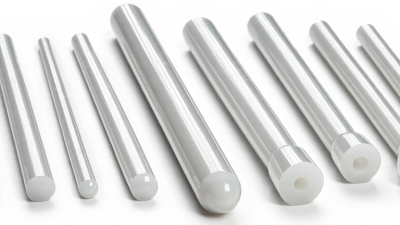
A PTFE-coated magnetic stir bar is a sealed stirring tool: a small magnetic core sits inside a smooth polytetrafluoroethylene coating. A rotating magnetic field beneath the vessel turns the bar, mixing liquids without a shaft inside the sample. PTFE resists many chemicals and has a low-friction surface, but “chemically resistant” does not mean compatible with every mixture. Check the liquid, temperature, and exposure time.

Reference data in the U.S. National Library of Medicine’s PubChem PTFE record gives a melting point near 327°C and a density around 2.2 g/cm³. Those figures describe the material, not a recommended operating limit for a coated stir bar. The coating, core, and liquid all affect safe use. A chipped surface can trap residue or expose the core. That detail is easy to miss.

Tips: Match bar length to vessel size, and start at a low stirring speed. Inspect the coating before use; replace a bar with visible cracks, chips, or swelling. PTFE has a high melting point, but overheating can still damage the assembly or affect your sample. Check the instrument and vessel limits, too.
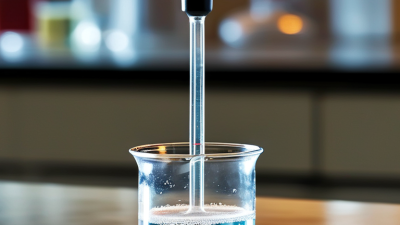
How Do Its Core Design and Coating Affect Performance?

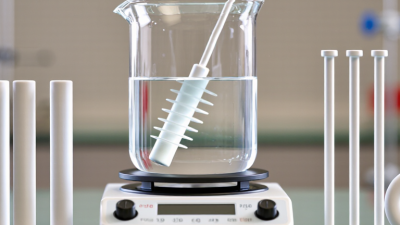
A stir bar’s core controls how reliably it follows the magnetic field. A strong, centered magnet helps prevent slipping as viscosity rises, while a rounded capsule shape moves smoothly in a small beaker. Pivot rings can reduce contact with the vessel floor. That matters when stirring near delicate cells or a glass bottom. Short bars suit narrow vessels; longer bars may create a deeper vortex, but can wobble if the drive is weak. Small details count.

The coating protects the core and contacts the sample. PTFE offers low friction and broad chemical resistance, but scratches, worn ends, or poor bonding can expose the magnet. The NIST Chemistry WebBook lists PTFE’s melting point at about 327°C. That figure is not a safe operating temperature for a coated bar: the coating bond and magnetic core may impose lower limits. ASTM D543 provides a standard method for assessing plastics’ chemical resistance, yet actual performance still depends on exposure time, temperature, and the specific liquid. Inspect the bar after use. A smooth surface is reassuring, not proof of compatibility. In practice, matching bar length and shape to the vessel often matters as much as choosing a durable coating.

Which Features Matter When Choosing a Stir Bar in 2026?

Which Features Matter When Choosing a Stir Bar in 2026?

A PTFE-coated magnetic stir bar should match the vessel, liquid, and workload—not just the budget. Grand View Research’s 2024 laboratory equipment report estimated the global market at USD 58.5 billion in 2023, with projected annual growth of 7.1% through 2030. That growth signals expanding lab investment, but it does not identify the right bar for your setup. Small details matter.

Start with length and shape. A bar should rotate freely without striking the vessel walls; test it in the actual flask, not only in a beaker. Cylindrical bars suit routine mixing, while pivot-ring designs can improve stability on rounded bottoms. Check the coating for smooth, continuous coverage. PTFE resists many common laboratory chemicals, but it is not immune to every chemical or temperature condition. Confirm compatibility against the liquid and the equipment maker’s limits.

Then consider magnetic coupling and cleaning. A bar that decouples at higher speeds may create uneven mixing, especially in viscous solutions or large vessels. A 2023 market analysis by Fortune Business Insights also projected continued growth in laboratory equipment, though market forecasts cannot replace bench testing. No bar fits every job. I would test two sizes with the same vessel and stirring speed, then inspect for coating wear after cleaning. That extra check feels fussy, but a chipped or poorly rotating bar can quietly distort results.

2026 Best PTFE Coated Magnetic Stir Bar for Labs? - Which Features Matter When Choosing a Stir Bar in 2026?

Feature Typical options or facts Why it matters How to choose
Coating material PTFE is widely used for its low-friction surface and broad chemical resistance. Compatibility depends on the chemical, concentration, temperature, and exposure time. The coating contacts the sample and helps protect the magnetic core from chemical exposure. Check a chemical-compatibility reference for the exact process conditions; do not assume PTFE is compatible with every reagent.
Temperature rating PTFE has a commonly cited continuous-use temperature limit of about 260°C, but the usable limit of a coated stir bar depends on its construction and the manufacturer’s specification. Heat can affect the coating, magnetic performance, and the suitability of the setup. Use the bar’s stated maximum operating temperature, not the polymer’s general limit. Confirm compatibility with the vessel and heating system as well.
Length and diameter Bars are sold in multiple lengths and diameters; available sizes vary by supplier and product range. A bar that is too small may couple poorly or stir inefficiently; an oversized bar may strike the vessel or be difficult to center. Measure the vessel’s internal diameter and allow room for the bar to rotate freely. As a starting point, consider a bar around one-third to one-half of the vessel diameter, then test under the actual liquid and speed conditions.
Shape Common designs include cylindrical, pivot-ring, oval, and cross-shaped bars. Shape influences contact with the vessel, stability, and suitability for different vessel bottoms or sample conditions. A cylindrical bar is a general-purpose starting choice. Consider a pivot-ring design for reduced contact area, or a specialized shape when the vessel geometry or sample requires it.
Magnetic coupling The bar’s internal magnet must couple with the stirrer drive magnet through the vessel base. Poor coupling can cause the bar to decouple, especially at higher speeds, with viscous liquids, or when the bar is poorly matched to the drive. Match bar size to the stirrer and vessel. Start at low speed, then increase gradually while observing whether the bar remains centered and coupled.
Liquid volume and viscosity Required bar size and drive performance depend on factors such as liquid volume, viscosity, vessel geometry, and target mixing intensity. A setup that works for a small, low-viscosity sample may not mix a larger or thicker sample effectively. Choose for the actual working volume and viscosity. For demanding or viscous applications, verify performance with the intended stirrer rather than relying on bar dimensions alone.
Vessel-bottom profile Vessel bottoms may be flat, rounded, or shaped for specific applications; stir-bar designs differ in their contact and pivot behavior. The vessel profile affects how steadily the bar rotates and how effectively the liquid circulates. Select a shape intended for the vessel geometry and check for smooth rotation before beginning a long or sensitive run.
Coating condition and cleanliness PTFE is non-stick, but a coated bar can still become scratched, chipped, or contaminated during use and handling. Coating damage may expose the core and compromise cleanliness or chemical protection. Inspect before use, clean with a method suitable for the sample and coating, and remove bars with visible damage from critical work.
Sterility and regulated workflows Sterilization suitability depends on the bar’s construction and the validated cleaning or sterilization procedure; PTFE alone does not establish sterility. A process may require documented, repeatable cleaning and sterilization performance. Confirm the product documentation and validate the procedure for the application. Avoid assuming that a particular sterilization method is suitable without verification.
Practical selection checklist Key inputs: vessel dimensions and bottom shape, sample volume and viscosity, operating temperature, chemical exposure, stirrer capability, and cleaning requirements. No single stir bar is best for every laboratory setup. Prioritize documented temperature and chemical compatibility, suitable dimensions and shape, stable magnetic coupling, and an intact coating.

Selection note: Operating limits and available sizes vary by product. Verify the specific stir bar’s technical documentation and test the setup under the intended laboratory conditions.

How Do Stir Bar Shapes Suit Different Laboratory Tasks?

2026 Best PTFE Coated Magnetic Stir Bar for Labs?

How Do Stir Bar Shapes Suit Different Laboratory Tasks?

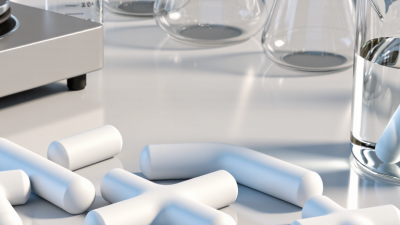
A PTFE-coated magnetic stir bar should fit both the vessel and the mixing task. For flat-bottom beakers, a straight cylindrical bar often gives steady circulation during routine dissolving. In a round-bottom flask, an oval or football-shaped bar follows the curved base more closely. This can help it stay centered instead of knocking against the glass.

Compact bars suit narrow tubes and small sample volumes, where a long bar may catch the walls. Cross-shaped or ridged bars can create more localized turbulence, useful when powders need help dispersing. They may also wobble at high speeds, though, so shape alone cannot fix poor mixing. Match bar length to the vessel, start slowly, and watch the flow before increasing speed. A visible vortex is not always a sign of better mixing.

Tips: Check the coating for chips before use, and replace damaged bars. Watch the vortex. If the bar rattles, lower the speed or try a different length. Small adjustments often work better than maximum speed.

How Should PTFE-Coated Stir Bars Be Used and Maintained?

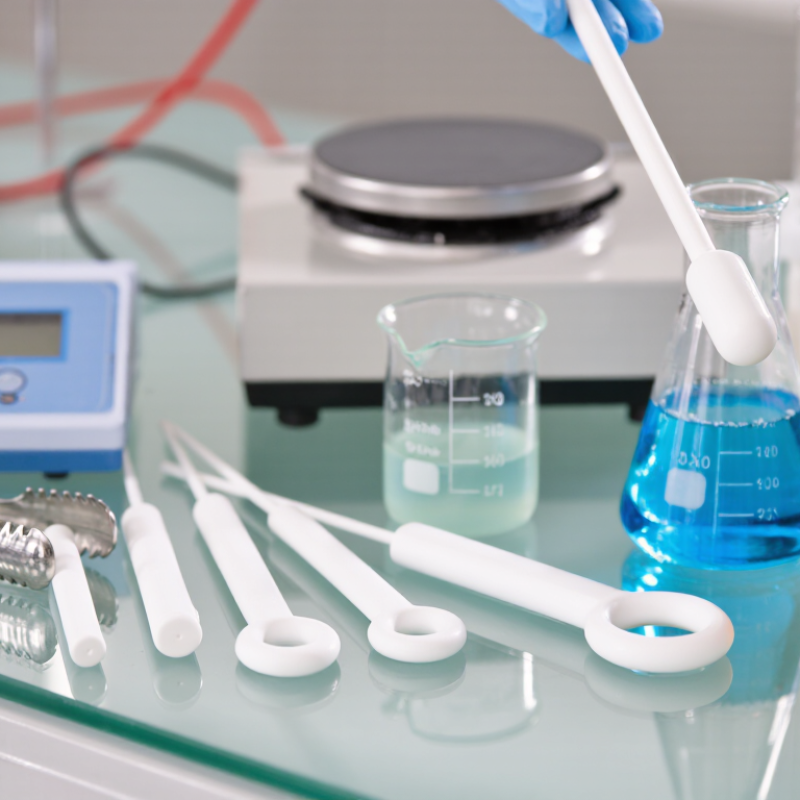
PTFE-coated magnetic stir bars work best when their size suits the vessel. A bar that is too short may wobble; an oversized one can strike the glass. Place it in a clean flask, center the vessel on the stir plate, and begin at low speed. Start gently. Increase speed only until the liquid forms a steady vortex. If the bar rattles or jumps, reduce the speed and check its position.

Choose a bar rated for the sample’s temperature and chemical conditions. PTFE resists many substances, but it is not suitable for every combination of heat and chemicals. Consult your lab’s compatibility guidance when uncertain. Avoid scraping the coating with metal tools. A small chip can expose the core and affect cleanliness or performance. This detail is easy to miss.

After use, remove the bar with a magnetic retriever or suitable gloved handling. Wash it with a compatible detergent, rinse thoroughly, and dry it before storage. Inspect the coating for cracks, discoloration, or peeling. Replace a damaged bar rather than relying on appearance alone; tiny flaws can be difficult to judge. Keep bars separated from sharp tools, and do not assume that one cleaning method suits every sample.

2026 Best PTFE-Coated Magnetic Stir Bar for Labs? How Should PTFE-Coated Stir Bars Be Used and Maintained?

Temperature Reference Points for PTFE-Coated Stir Bar Use

These reference temperatures are for context, not a guaranteed rating for a complete stir bar. The magnet, coating condition, and manufacturer’s specifications may set a lower operating limit. Use a stir bar suited to the vessel and stirring speed, avoid heating it beyond its rated limit, and clean it with a compatible method before inspecting the coating for chips, cracks, or swelling.