Choosing the right Magnetic Ptfe Stir Bar can make routine mixing more consistent and easier to control. The best choice depends on the liquid, vessel, and stirring conditions—not just the bar’s length. A bar that is too short may spin unevenly, while one that is too long can strike the vessel walls. Small details matter.
Start by checking the vessel’s internal diameter and the stirrer’s operating range. Then consider the liquid’s viscosity and whether it contains suspended particles. A smooth, low-viscosity solution may need a different bar shape from a thicker mixture. Cylindrical bars suit many general tasks; pivot-ring designs can help maintain a stable position in some setups. The PTFE coating is valued for chemical resistance and a low-friction surface, but it should still be inspected for chips, cracks, or wear before use. Not always obvious.
In practice, a careful trial is useful. Begin at a moderate speed, watch the vortex, and adjust gradually. If the bar rattles, slips, or repeatedly decouples, check its size, alignment, and the stirrer’s settings before increasing speed. There is no universal choice. Even a well-matched bar may behave differently when the vessel shape or liquid properties change. This guide explains the main selection factors, common trade-offs, and practical checks that help you choose a stir bar suited to your specific mixing task.
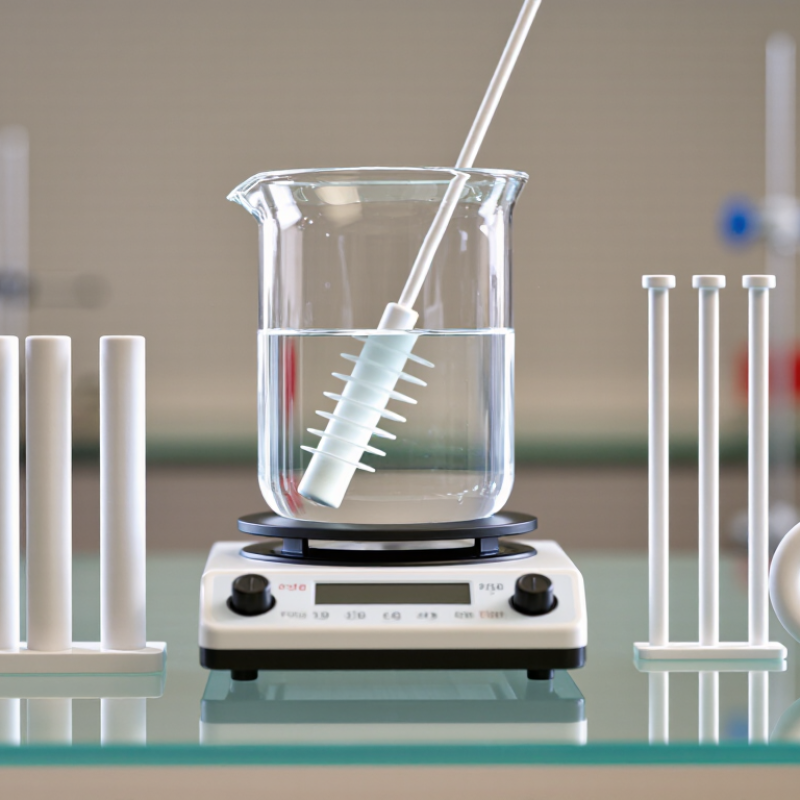
A magnetic PTFE stir bar pairs a permanent magnet with a protective PTFE coating. The rotating field beneath the vessel turns the bar, creating circulation without a shaft or impeller. PTFE helps resist many chemical exposures, but it does not make every setup suitable for every solvent or temperature. ASTM D792 describes a standard method for measuring plastics density; typical PTFE material data place its density near 2.2 g/cm³. That figure describes the material, not the finished bar’s performance.
Shape and length affect how reliably the bar follows the magnetic field. A short, smooth bar often suits a small vial; a longer bar can move more liquid in a wider vessel, if coupling stays stable. Watch the bar through the glass: steady rotation and a visible vortex usually indicate reasonable alignment. A bar that chatters or drifts may be too long, poorly centered, or spinning too quickly. Small details matter.
The magnet’s strength, coating thickness, vessel base, liquid depth, and viscosity all influence coupling. PTFE’s melting point is about 327°C, as reported in standard polymer property references, but that is not a safe continuous-use temperature. Heat can still damage the coating or reduce magnet performance. I would check the vessel manufacturer’s limits and inspect the bar for chips or swelling before use. The less obvious lesson: a larger bar is not automatically better.
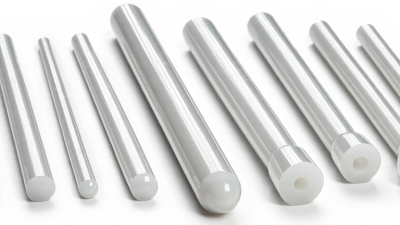
Choose a magnetic PTFE stir bar that fits the vessel’s base, not just its overall capacity. In a narrow test tube, a small cylindrical bar can turn smoothly without catching the walls. A wider beaker may suit a longer bar, provided it has room to rotate freely. Leave a visible gap around the bar. Contact with the glass can cause rattling, wear, or a stalled vortex.
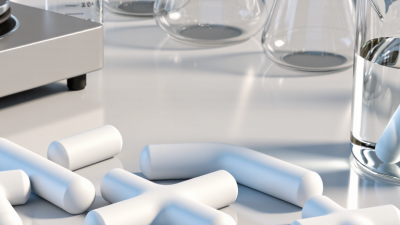
Shape matters, too. Cylindrical bars work well in many flat-bottomed vessels. Oval bars can sit more steadily in rounded or curved bases. Pivot-ring styles may reduce contact with the vessel floor, though they are not ideal for every setup. Match the bar to the liquid as well: viscous mixtures often need a larger bar and a slower start. There is no perfect size chart; test carefully with the actual vessel and fill level.
Tips: Start at a low speed and watch the bar. If it jumps or drifts, reduce speed or try a shorter bar. A little trial and error is normal.
Chemical compatibility starts with the liquid, but also includes cleaners, additives, and anything left in the vessel. PTFE resists many acids, bases, and solvents, making it useful for varied mixing tasks. It is not universally inert. Strongly reactive substances can attack PTFE, and a damaged coating may expose the internal magnet. Small scratches matter. Check a compatibility chart against the full mixture and contact time, not just the main solvent. If the chemistry is unfamiliar, test with a spare bar in a small, controlled sample. Compatibility charts are useful, but they are not guarantees.
Heat changes the picture. A hotplate’s setting is not the liquid’s temperature; measure the solution when temperature matters. PTFE bars often tolerate substantial heat, yet the safe limit depends on the bar’s construction and exposure time. The magnet can lose strength, and the coating may deform if the bar is overheated. Look for separate continuous-use and short-term temperature limits in the product specifications. Watch for a bar that stops coupling smoothly, develops bubbles under its coating, or leaves visible residue. I would not keep using it just because it still spins. A small trial run can reveal problems before a long batch is at risk.
Viscosity changes how much resistance a stir bar must overcome. The IAPWS 2008 water-viscosity formulation gives about 1.002 mPa·s at 20°C. Segur and Oberstar’s 1951 measurements put pure glycerol near 1.4 Pa·s at the same temperature. That is roughly a 1,400-fold difference. A bar that works smoothly in water may wobble or lose coupling in a thick sample. Start gently. Watch the bar.
Choose a PTFE-coated bar with enough magnetic capture for the vessel and expected load; length alone does not guarantee stronger coupling. Keep it centered, and minimize the gap between the bar and the vessel’s magnetic drive. Increase speed in small steps, checking for chatter or slipping rather than judging only by vortex depth. For viscous samples, test at the actual temperature and fill level, since both can affect flow.
One caveat: shear-thinning liquids may become easier to stir as speed rises. Record the stable speed and bar dimensions, then repeat the test before relying on that setting.
How to Choose the Right Magnetic PTFE Stir Bar?
Evaluating Cleaning, Durability, and Replacement Needs
A PTFE-coated stir bar should match both the vessel and the cleaning routine. After use, rinse it promptly, then wash away residue with a compatible laboratory detergent. Check the ends and coating under bright light; scratches, chips, or trapped deposits can be easy to miss. Small details matter. If a bar handled sticky or strongly colored samples, a visual check alone may not be enough. Follow your lab’s validated cleaning procedure, and avoid methods that could damage the coating.
Durability depends on more than the coating. Repeated impacts against glass, excessive heat, or prolonged exposure to unsuitable chemicals can shorten service life. Watch how the bar spins, too. If it wobbles, decouples often, or leaves visible coating damage, replace it rather than hoping performance improves. A slightly worn bar may still stir, but inconsistent mixing can affect repeatability. Replacement timing is not always obvious; that is worth reviewing against your application and inspection records.
Tips: Keep clean and used bars separate. Record inspection dates for frequently used bars. Replace damaged bars promptly, and confirm the new size fits the vessel and stir plate.