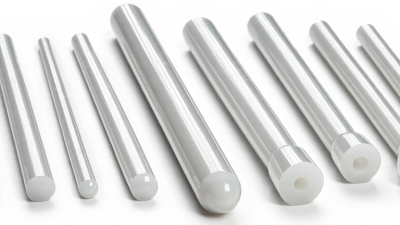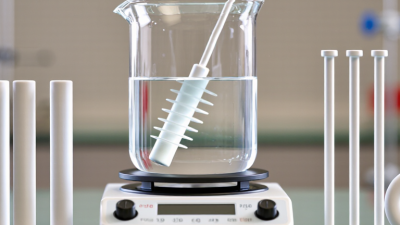
Choosing a Lab Ptfe Magnetic Stirrer Bar in 2026 is less about finding one universal winner and more about matching the bar to the vessel, sample, and stirring speed. Grand View Research’s Laboratory Equipment Market Size, Share & Trends Analysis Report provides useful context on demand across laboratory equipment. However, broad market reports do not test individual stir bars. That distinction matters. A market forecast cannot tell you whether a bar will couple reliably in your 500 mL flask.
For a practical comparison, look closely at PTFE coating quality, magnetic-core alignment, dimensions, and shape. A smooth, intact surface helps limit sample contact with the core, while a well-centered magnet can reduce wobble at higher speeds. Vessel geometry matters, too. A short octagonal bar may behave differently from a longer cylindrical one in a narrow beaker. Check chemical compatibility against the actual solvents and temperatures in your protocol, rather than relying on “chemically resistant” as a blanket promise. Small details count.
There is no perfect bar for every setup. That sounds obvious, yet it is easy to forget when product pages emphasize generic claims. In the sections ahead, we compare common designs, selection criteria, and signs of wear, while separating measurable specifications from marketing language. The goal is a dependable choice, not a flashy one. And if your sample is unusually viscous, test the fit and coupling before committing to routine use. A little caution helps.
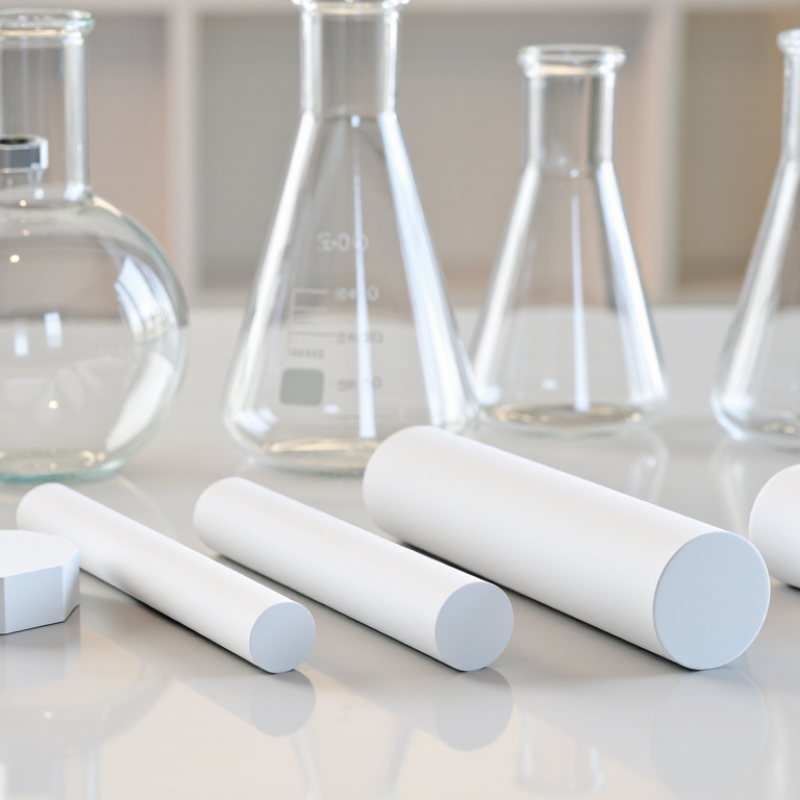
What Are the Best Lab PTFE Magnetic Stirrer Bars in 2026?
PTFE stir-bar basics start with two useful reference values: a density of 2.15–2.20 g/cm³ and a melting point near 327°C. Published technical data sheets for virgin PTFE commonly report this range. Density testing is covered by ASTM D792, while polymer transition temperatures can be measured using differential scanning calorimetry under ASTM D3418. These standards describe test methods, not a promise that every finished bar has identical properties. Resin grade and manufacturing can shift measured results slightly.
That density helps explain why PTFE bars feel substantial in the hand, but it does not tell you how strongly a bar will couple with a magnetic field. The internal magnet, bar shape, vessel size, and liquid viscosity matter too. A small oval bar may spin smoothly in a beaker, then lose its coupling in a tall flask. It happens. Also, 327°C is PTFE’s melting point, not a recommended operating temperature for a stir bar. Check the complete bar’s stated temperature limit, since its magnetic core or construction may have a lower limit. For routine selection, match bar length to the vessel and test stirring speed before scaling up. A little trial and error remains part of good lab practice.
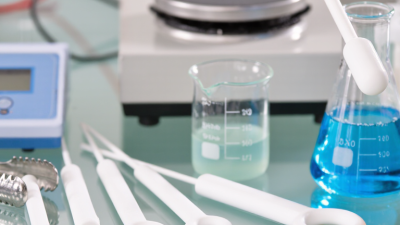
PTFE density is typically reported as 2.15–2.20 g/cm³. Its melting point is approximately 327°C. These are general material reference values; actual specifications may vary by grade.
PTFE magnetic stirrer bars should match the vessel’s base, not just the liquid volume. In a narrow vial, a short cylindrical bar often couples reliably and leaves room for the glass walls. For a beaker with a broad, flat base, a longer bar can move more liquid. A useful starting point is roughly one-third to one-half of the flat base’s diameter, though this is only a trial range. Small details matter.
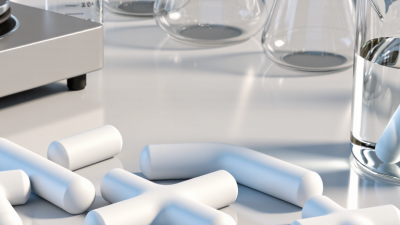
Shape affects stability. A plain cylindrical bar suits many routine, low-viscosity mixtures. A pivot-ring design can reduce contact with the vessel floor and help the bar stay centered. Oval bars can fit curved-bottom vessels better than long cylinders, while cross-shaped bars may work in compact containers. None is universally best. Check that the bar spins freely without striking the sides.
Batch size matters, but simply choosing the longest bar is not always wise. Large batches and viscous liquids need stronger magnetic coupling, and a long bar may wobble if the stir plate cannot drive it. Start at low speed, watch the vortex, and adjust the bar length or shape if it hops. I have found vessel geometry easy to overlook; even a slight curve in the base can change performance. A quick test with the actual liquid is more reliable than a size chart alone.
A PTFE magnetic stirrer bar works well only when its magnet stays coupled to the drive and its shape suits the vessel. Check the bar against the vessel’s inner diameter: a bar that nearly spans the base may scrape, while a very short one can struggle to move the whole sample. In a beaker of clear water, watch for a stable vortex and a centered bar. If the bar hops or clicks, reduce the speed and check its position.
Stirring speed is not a contest. Start slowly, then increase it until the liquid circulates without splashing or drawing air deeply into the sample. A sudden increase can make the bar decouple, especially in a shallow vessel or one with an uneven base. The best setting depends on the liquid depth, vessel shape, and bar length. That rule helps, but it is not perfect; observe the actual sample.
Sample viscosity matters just as much. Thin solutions usually need less torque, while syrups or polymer solutions may need a larger, longer bar and a gradual speed ramp. If circulation remains weak, a magnetic stirrer may not be the right tool for that batch. PTFE resists many chemicals, but inspect the coating for chips or wear before use. Record the bar size, vessel, and speed that worked. Small notes save repeat experiments.
What Are the Best Lab PTFE Magnetic Stirrer Bars in 2026?
Choosing a PTFE magnetic stirrer bar means matching its coating and core to your solvent, vessel, and working temperature. PTFE resists many common acids, bases, and organic solvents, making it a practical choice for varied laboratory work. But no coating suits every chemical. Strongly reactive materials and prolonged exposure can exceed its limits, so check compatibility data for the exact substance and conditions. Fit matters, too. A bar that is too short may spin unevenly in a wide flask.
Temperature ratings need the same careful reading. PTFE itself is commonly rated for continuous service near 260°C, but the assembled bar may have a lower limit because of its magnetic core, coating thickness, or construction. Follow the manufacturer’s stated maximum, not the polymer’s limit alone. At elevated temperatures, inspect for cracks, swelling, or a rough surface before reuse. Small defects matter. A damaged coating can compromise sample cleanliness, even when the bar still stirs normally.
Tips: Match bar length to roughly one-third of the vessel’s internal diameter, then confirm stable coupling at your usual stirring speed. Test a new setup with water before valuable samples. Record the chemical, temperature, and exposure time; compatibility can shift with heat and duration. If a bar drifts or chatters, pause and reassess the vessel shape, fill level, and stirrer alignment. A simple compatibility chart is helpful, but it cannot replace product-specific limits.
| Stir Bar Option | Typical Form and Size | Best-Suited Use | PTFE Chemical Resistance | Typical Temperature Limit | Selection Considerations |
|---|---|---|---|---|---|
| Standard cylindrical | Straight cylinder; commonly about 10–50 mm long | Routine mixing in beakers, flasks, and other flat-bottom vessels | Excellent resistance to many aqueous acids and bases, alcohols, and common organic solvents | PTFE coating is generally rated for continuous use up to about 260°C; the complete bar may have a lower limit | A versatile starting choice. Match bar length to vessel size and use a flat-bottom vessel for reliable coupling. |
| Octagonal (polygonal) | Faceted cylinder; commonly about 10–40 mm long | General-purpose mixing where the bar needs to start turning reliably | Similar broad resistance to other PTFE-coated forms | Limited by the lower-rated component: PTFE coating or internal magnet | Facets can help the bar engage and mix, but may cause more vibration or wear on delicate vessel surfaces. |
| Pivot-ring | Cylindrical bar with a central ring; commonly about 10–40 mm long | Mixing in rounded-bottom vessels or applications where reduced contact area is useful | PTFE resists many laboratory chemicals; inspect the coating regularly for damage | PTFE coating: generally up to about 260°C; assembly rating varies with magnet type and construction | The ring can reduce surface contact and help maintain rotation in some vessels. Confirm that the vessel shape suits the bar. |
| Cross-shaped | Four-arm profile; typically selected by vessel diameter rather than length alone | Broad mixing in larger vessels and some low-viscosity solutions | Broad PTFE compatibility with many acids, bases, and solvents | Use the complete bar’s stated operating limit; the PTFE coating alone does not determine it | Can produce wider fluid movement, but requires sufficient clearance from the vessel walls and base. |
| Triangular | Three-sided profile; commonly available in small to medium sizes | Small vessels and applications needing a compact bar with good engagement | Broad PTFE chemical resistance, subject to chemical-specific compatibility | Typically constrained by the internal magnet and the coating; check the assembly specification | Its edges can improve coupling, but may increase localized contact and wear compared with a smooth cylinder. |
| High-temperature assembly | Usually cylindrical or pivot-ring, with a heat-tolerant internal magnet | Heated mixing when the required operating temperature exceeds the rating of a standard bar | PTFE remains broadly resistant to many laboratory chemicals, but elevated temperature can change chemical compatibility | Some assemblies using heat-tolerant magnets are rated around 200–250°C; verify the specific bar’s maximum operating temperature | Choose by the published rating for the complete bar, not by PTFE’s approximate 260°C coating limit. |
Important: Temperature limits are approximate and vary by design. The usable limit is set by the lowest-rated component, including the magnet and PTFE encapsulation. PTFE is not compatible with every substance; reactive materials such as molten alkali metals and certain highly reactive fluorinating agents require specific compatibility checks. Avoid using a bar with cracked, worn, or damaged coating.
A PTFE magnetic stirrer bar is only as dependable as its encapsulation. Look for a continuous coating around the magnetic core, without pinholes, cracks, or exposed metal. Even a tiny defect can trap residue and allow corrosion after repeated use. Check the ends closely. Rounded ends help the bar move steadily and reduce scraping against glass.
Surface quality affects more than appearance. A uniform finish can limit residue buildup and make cleaning easier between batches. Inspect the bar under bright light for seams, rough spots, or uneven coating. A scratch may seem minor. Still, replacing a damaged bar is often wiser than relying on a surface you cannot inspect internally.
Compare the stated length and diameter with your vessel and liquid volume; an oversized bar may strike the walls. Review the manufacturer’s temperature range, chemical compatibility, and stirring limits for your process. Look for test methods and tolerances, not just broad claims such as “high purity.” Specifications cannot guarantee performance in every mixture. Viscosity, fill level, and stir-plate coupling also matter. Published details may be incomplete, so leave room for careful testing in your actual setup.