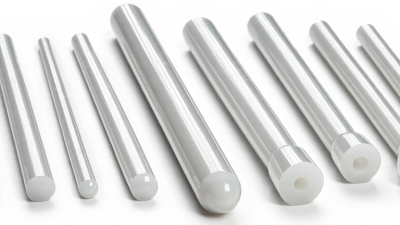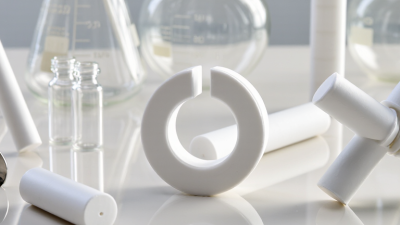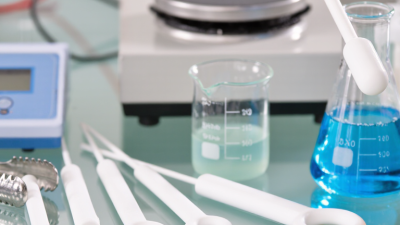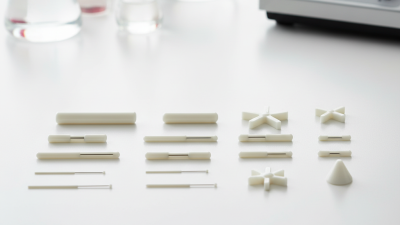
Choosing a Ptfe Magnetic Stir Bar is not just a matter of picking the smallest white bar on the shelf. A reliable choice depends on the vessel, liquid, and stirring conditions. Measure the vessel’s internal width, then choose a bar that can rotate freely without striking the walls. Small beakers often suit compact bars, while wider flasks may need longer or pivot-ring designs. Shape matters, too. Octagonal bars can create noticeable turbulence; pivot rings may help reduce contact with the vessel base. Neither design works best in every setup.
Consider viscosity and batch volume before increasing the speed. Thicker liquids can make a bar decouple, causing a sudden rattle instead of a steady vortex. Start slowly, watch the motion, and raise the speed in small steps. Simple, but useful. PTFE provides a chemically resistant surface for many common liquids, but check compatibility with the specific chemical and temperature. Also inspect the coating for chips or wear, especially after repeated use. A damaged surface may affect cleaning and performance.
The stirrer’s stated capacity is only a starting point; vessel shape and liquid properties also matter. If possible, test the bar with the actual container and sample volume before routine work. Look for smooth rotation, consistent mixing, and minimal splashing. A bar that works well in one beaker may behave differently in a narrow-necked flask. That detail is easy to overlook. Keep notes on the bar size, vessel, and speed that worked. Selection involves some trial and error, and even a careful choice may need adjustment.
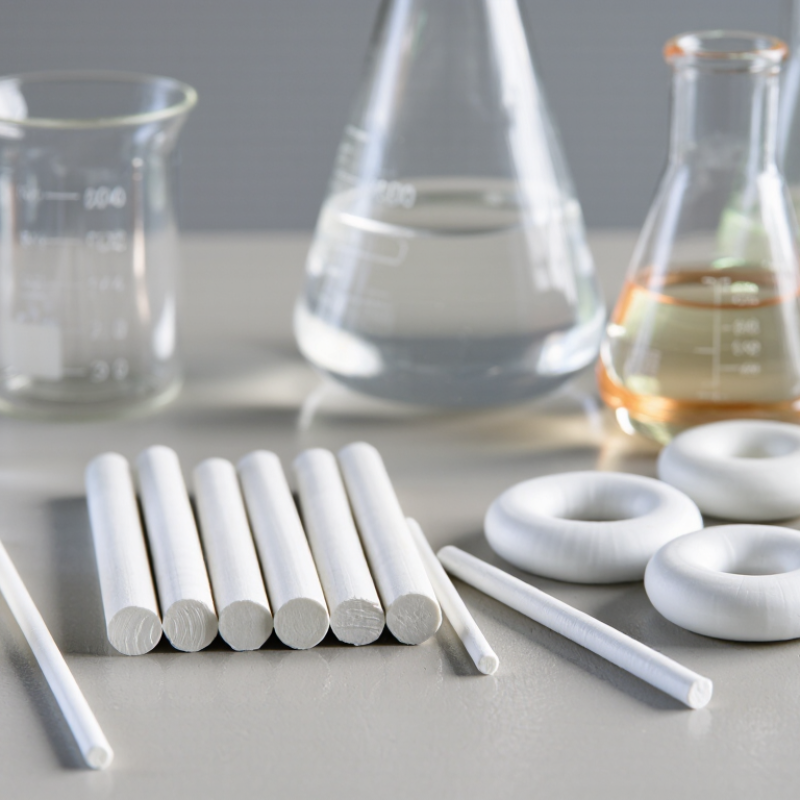
A PTFE magnetic stir bar combines a magnetic core with a smooth PTFE coating. The core responds to the rotating magnetic field beneath the vessel, while the coating separates it from the liquid. PTFE’s low-friction surface helps the bar move without scraping glass, and it resists many common laboratory chemicals. Still, compatibility depends on the liquid, temperature, and exposure time.
Bar shape affects how it stirs. A straight cylindrical bar suits many flat-bottomed beakers and flasks. Pivot rings or raised ridges can help keep a bar centered, especially at higher speeds. Choose a length that leaves room to rotate; an oversized bar may wobble, while a very small one may create weak circulation. There is no perfect shape for every vessel. A little trial and error may be needed, and that is easy to underestimate.
Tips: Start slowly, then increase speed until a steady vortex forms. Check that the bar is not striking the vessel walls. Rinse it after use and inspect the coating for chips or cracks. Small flaws matter. If the bar slips repeatedly, reconsider its size, shape, or the vessel’s base.
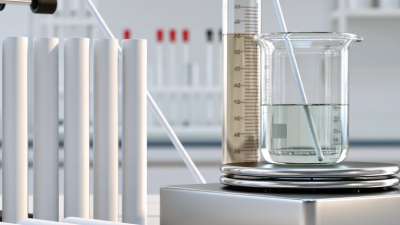
Before choosing a PTFE magnetic stir bar, check the vessel’s internal diameter, bottom shape, and fill depth. A flat-bottomed beaker usually suits a cylindrical bar; a rounded flask may need an oval bar that stays coupled. Leave room for the bar to rotate freely. Too long, and it may scrape the glass. Too short, and it may spin without moving the whole liquid.
Viscosity matters. The IAPWS 2008 formulation reports water’s dynamic viscosity at 20°C as about 1.002 mPa·s. That is a useful low-viscosity reference, not a promise that every liquid will stir like water. Thick mixtures, suspensions, and changing temperatures can slow circulation or break magnetic coupling. ASTM D2196-20 also distinguishes apparent viscosity in non-Newtonian fluids, whose resistance can change as they move. Watch the liquid, not just the speed setting.
Look for a stable surface vortex and movement across the vessel, rather than a deep funnel that pulls in air. Start slowly, then increase speed while checking for wobble, splashing, or a stalled bar. I still recheck the fit after changing the fill volume; small differences can matter. Match the bar’s length to the vessel, and inspect its PTFE coating for scratches before use. A damaged coating is easy to overlook.
Choose a PTFE magnetic stir bar by matching its length to the vessel’s usable bottom diameter. A practical starting point is about one-half to two-thirds of that diameter. For a 50 mm flat-bottom beaker, try a 25–35 mm bar. It should rotate freely without striking the wall. Flat-bottom vessels often suit cylindrical or octagonal bars; rounded vessels may need an oval bar. Shape affects contact and circulation, so the rule is not exact.
Consider the liquid too. NIST’s REFPROP database reports water viscosity at 20 °C as approximately 1.002 mPa·s, a useful low-viscosity reference. Thicker solutions usually need more torque and may require a larger bar or a cross-shaped design for stronger movement. Start at low speed, then increase gradually; a deep vortex can pull air into the sample. Fit matters. A bar that jumps or rattles is often too long, too fast, or poorly matched to the vessel.
Tips: Measure the vessel’s inner base, not its outer width. Test with the real liquid volume and watch the bar from the side. This sizing rule is imperfect; irregular bases and uneven magnetic coupling can change the result.
Choose a PTFE magnetic stir bar by matching its length and shape to both the vessel and the stirrer. A common starting point is a bar about one-third the vessel’s internal diameter, with enough clearance to spin freely. For a narrow beaker, a cylindrical bar often tracks smoothly; in a flat-bottom flask, a pivot-ring style may reduce wobble. If the bar repeatedly decouples, the problem may be excessive speed, a weak magnetic field, or a bar that is too long.
Consider the operating conditions, not just the liquid volume. MatWeb engineering material data summaries place PTFE’s continuous-use temperature near 260°C, but the actual limit depends on grade and mechanical load. That figure does not mean every setup is suitable at that temperature. Viscous liquids need stronger magnetic coupling and often a larger or shaped bar; start slowly, then increase speed until the vortex is steady. A deep vortex can pull air into the sample. Small detail, big effect.
Tips: Check the bar’s stated dimensions against the vessel’s inside diameter, and test it with the actual liquid before a long run. Watch for clicking, drifting, or intermittent spinning. These are useful clues, though they do not identify the cause by themselves. Stirrer performance varies, so a catalog chart is only a starting point.
These are representative nominal sizes; actual dimensions vary by supplier. Choose a bar that fits the vessel and couples reliably with the stirrer’s magnetic field. For larger volumes or more viscous liquids, test a longer or stronger-coupling bar and confirm it spins steadily without decoupling.
Chemical compatibility starts with the sample, not just the PTFE coating. PTFE resists many chemicals, but temperature, concentration, and exposure time can change the risk. Check a compatibility chart for every component that may contact the liquid, including the bar’s coating and any exposed areas. Small details matter. A dilute solution at room temperature may behave differently when heated or concentrated. If the coating is scratched, the magnetic core could contact the sample and corrode. When uncertain, test a spare bar in a small amount of the solution before using it in a valuable sample.
Maintenance helps preserve both cleanliness and stirring performance. Inspect the bar before each run for cracks, chips, or stubborn deposits. Rinse it soon after use with a cleaning solution known to be compatible, then dry it fully. Avoid abrasive pads and metal tools; they can damage the smooth surface. I have seen routine cleaning become an afterthought when a lab is busy. That shortcut can leave residue behind. A quick visual check is useful, though it cannot reveal every coating defect. Replace a bar if damage is visible, or if it no longer couples steadily with the stir plate.
| Selection factor | Typical situation or option | What to check | Practical recommendation |
|---|---|---|---|
| Aqueous acids | Dilute or concentrated hydrochloric, sulfuric, or nitric acid solutions | PTFE generally has broad resistance to these acids, but concentration, temperature, exposure time, and the vessel conditions still matter. | Usually a suitable choice when the coating is intact. Rinse promptly after use and inspect for chips or exposed core material. |
| Common solvents | Water, ethanol, acetone, or aromatic solvents such as toluene | PTFE is generally compatible with many common laboratory solvents. Confirm suitability for the exact mixture and operating temperature. | Choose a smooth, intact bar and verify that the vessel and its seal are also solvent-compatible. |
| Strongly reactive chemicals | Molten alkali metals or elemental fluorine, especially at elevated temperatures | These are notable exceptions to PTFE’s broad chemical resistance and can attack PTFE under severe conditions. | Do not assume a PTFE-coated bar is suitable. Consult chemical-resistance data for the precise conditions and select an appropriate alternative if needed. |
| Bar length | Small vials, beakers, or larger vessels | The bar must rotate freely on the vessel bottom. A bar that is too long may strike the walls; one that is too short may couple poorly or mix inefficiently. | Measure the usable flat bottom and choose a length that leaves clearance at both ends. Test at low speed before increasing the stirring rate. |
| Bar shape | Cylindrical, pivot-ring, or oval-shaped bars | A cylindrical bar is a general-purpose option. A pivot ring can reduce contact area and help stabilize rotation in suitable flat-bottom vessels. Oval shapes can suit some narrow or rounded vessels. | Match the shape to the vessel bottom and liquid depth. Confirm stable coupling and avoid shapes that rub against the vessel. |
| Viscosity and mixing load | Low-viscosity liquids versus viscous solutions or suspensions | Thicker liquids create more resistance and can cause a small bar to decouple. Vessel geometry and stirrer strength also affect performance. | For higher loads, consider a larger or more suitable bar and increase speed gradually. Use an overhead stirrer when magnetic stirring cannot maintain circulation. |
| Temperature | Heated stirring or other elevated-temperature work | The coating, internal magnet, vessel, and hotplate/stirrer each have operating limits. The complete bar assembly may have a lower usable limit than PTFE alone. | Check the manufacturer’s temperature rating for the bar and equipment. Allow the bar to cool before handling and inspect it after heated use. |
| Cleaning and routine care | Between samples or after exposure to corrosive, sticky, or colored liquids | Residue can carry over between samples. Abrasive tools and rough surfaces may scratch or damage the PTFE coating. | Rinse and clean using a method compatible with the residue; dry before storage. Avoid scraping with metal tools and store separately to prevent impact damage. |
| Condition and replacement | Regular inspection before use | Cracks, cuts, peeling, swelling, rough patches, or exposed core material can compromise cleanability and chemical protection. | Remove visibly damaged bars from service, especially for analytical, corrosive, or contamination-sensitive work. |
Note: Chemical compatibility depends on concentration, temperature, exposure time, and the condition of the coating. Verify the exact operating conditions before use.