What Are the Top PTFE Stirrer Bar Types in 2026?
Choosing a Ptfe Stirrer Bar is not just a matter of picking the smallest bar that fits a flask. Shape, length, vessel geometry, and sample viscosity all affect how smoothly a bar rotates. A compact cylindrical bar may suit a small vial, while a pivot-ring design can remain more stable in a rounded-bottom vessel. Cross-shaped bars offer stronger movement in some applications, but they may be less suitable for narrow containers. Small details matter.
In 2026, comparing stirrer bar types means looking beyond shape names. Consider the sample volume, target speed, container base, and whether the bar needs to be retrieved easily. PTFE provides broad chemical resistance and a low-friction surface, but it is not suitable for every temperature or chemical exposure. Check the manufacturer’s compatibility guidance rather than assuming the coating is universal. In practical use, a bar that slips, chatters, or decouples can disrupt mixing even when its listed dimensions appear correct. That part is easy to overlook.
This guide explains common PTFE stirrer bar designs and the trade-offs behind them. It also highlights selection checks that help laboratories match a bar to routine mixing needs. No single design is best for every setup. A careful fit test, with the intended vessel and liquid, remains useful—and occasionally proves the catalog choice wrong.
What PTFE Stirrer Bars Are and How Their Designs Differ
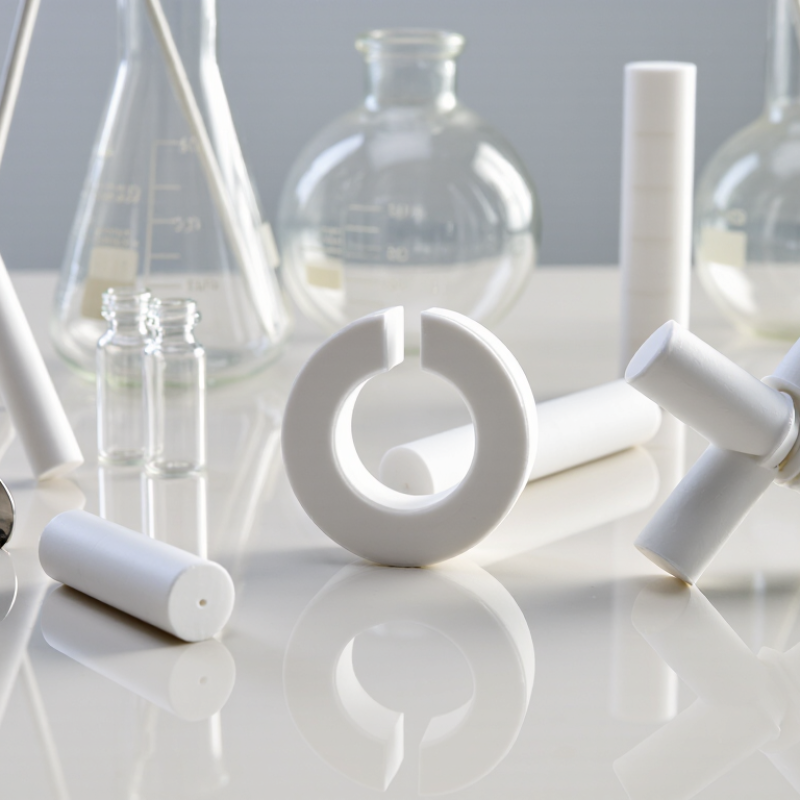
PTFE stir bars are magnetic mixing tools with a magnet enclosed in a chemically resistant PTFE coating. The coating keeps the core away from the liquid and provides a smooth surface for cleaning. Their shape affects how they move, how steadily they couple with a stir plate, and how well they fit a vessel. Small details matter.
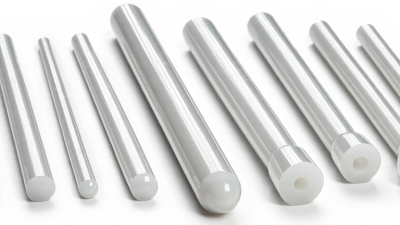
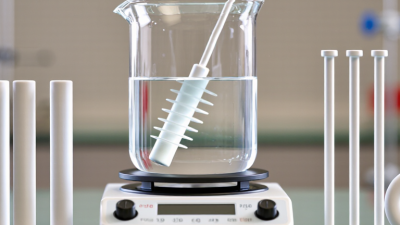
A standard cylindrical bar works well in many flat-bottomed beakers and flasks. Octagonal bars have angled edges that can create more varied flow, though they may make extra contact with the vessel. Pivot-ring designs include a raised center feature that can help stabilize the bar during mixing. Cross-shaped bars offer several contact points and can suit some shallow or broad vessels. Not interchangeable.
Choose a bar that leaves enough clearance from the vessel walls and bottom. A bar that is too large may bump or decouple; one that is too small may produce weak circulation. For a narrow flask, a slim bar is often easier to control. In a wide beaker, a longer design may move more liquid. Check the vessel’s base and the liquid’s thickness, then start at a low speed and increase gradually. Watch for wobble. I would not assume one shape is best for every setup; even a small difference in vessel geometry can change the result.
Which PTFE Stirrer Bar Types Are Most Common in 2026?
In 2026, cylindrical and octagonal PTFE stirrer bars remain common choices for routine laboratory work. Cylindrical bars suit flat-bottomed vessels and general mixing. Their smooth shape is easy to clean, but they may drift at high speeds. Octagonal bars have ridges that can improve fluid movement and help maintain a stable vortex in low-viscosity liquids. For narrow tubes, a small cross-shaped bar can fit better. Pivot-ring bars are useful when the vessel base is uneven or the bar needs extra stability.
Tips: Match bar length to the vessel’s base, not just its volume. A bar that is too long may strike the walls. Start at low speed, then increase gradually. Check the coating for chips before use; damaged PTFE can compromise sample integrity.
Grand View Research estimated the global laboratory equipment market at USD 37.2 billion in 2023, with projected growth through 2030. That broader market figure gives useful context, but it does not rank stirrer-bar shapes. Selection still depends on vessel geometry, viscosity, and mixing speed. In practice, the “best” type is not always obvious; testing two shapes can reveal differences that a catalog cannot.
How Shape and Size Affect Mixing Performance
What Are the Top PTFE Stirrer Bar Types in 2026?
How Shape and Size Affect Mixing Performance
PTFE stirrer bars come in several useful shapes, including cylindrical, octagonal, pivot-ring, and cross-shaped designs. Shape influences how a bar moves, stays centered, and handles different liquid depths. A cylindrical bar suits many routine tasks. Octagonal edges can help create movement in shallow samples, while a pivot ring may reduce contact with the vessel bottom. Cross-shaped bars can improve circulation in some setups, but they need enough room to rotate freely.
Size matters just as much. A bar should fit the vessel without scraping its walls. In a small beaker, an oversized bar may wobble or lose magnetic coupling at higher speeds. A very short bar in a wide vessel may spin neatly but leave the outer liquid barely moving. Watch the actual flow, not just the vortex. A neat vortex can look reassuring, yet it does not prove the whole sample is mixing evenly. Even experienced users may need to test a second size; vessel shape and liquid viscosity change the result.
Tips: Start with a bar roughly one-third to one-half the vessel’s inside diameter, then adjust based on visible circulation. Increase speed gradually and listen for rattling. If the bar jumps, lower the speed or try a different shape. Small changes can help.
How to Use and Maintain PTFE Stirrer Bars Safely
PTFE stirrer bars come in several shapes, including cylindrical, oval, pivot-ring, and cross-shaped designs. Choose a size and shape that moves freely without striking the vessel walls. A bar that is too small may spin unevenly; one that is too large can chip against the glass. Check the coating before use. Any crack, blister, or exposed magnet means the bar should be removed from service.
Keep the vessel stable and centered on the stirrer plate. Start at a low speed, then increase it gradually until the liquid circulates smoothly. This reduces splashing and helps prevent the bar from decoupling. Hot glassware can look harmless. Use suitable heat protection, and let both the vessel and bar cool before handling. Avoid running the stirrer dry or exceeding the equipment and bar manufacturers’ stated temperature limits.
After use, retrieve the bar with a magnetic retriever rather than scraping it out with metal tools. Wash it with a cleaning agent compatible with the PTFE coating and the materials handled, then rinse and dry it fully. Inspect it again before storage. Small checks matter. It is easy to rush cleaning when several vessels are waiting, but residue can carry into the next run. Do not guess about solvent compatibility; consult reliable material-compatibility guidance when uncertain.